
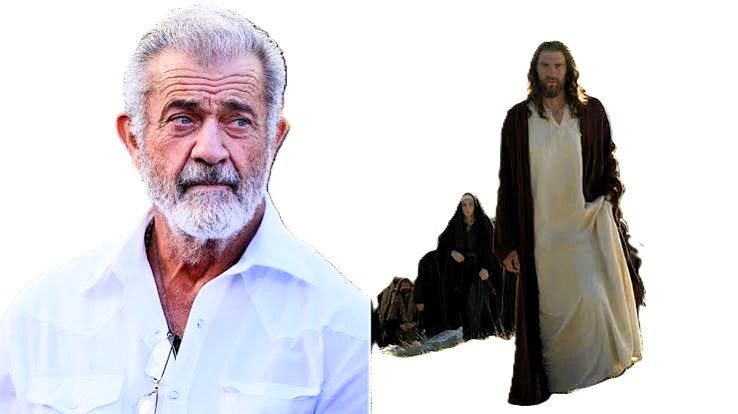
Screenwriter Randall Wallace has shared that Mel Gibson cautioned him about potential spiritual challenges before they began working on The Resurrection of the Christ, the long-awaited follow-up to the 2004 biblical drama The Passion of the Christ.
Speaking on Raymond Arroyo’s Arroyo Grande podcast, Wallace reflected on his decades-long creative partnership with Gibson. The two have previously collaborated on acclaimed films including Braveheart, We Were Soldiers, and Hacksaw Ridge.
According to Wallace, the idea for a movie centered on Christ’s resurrection actually came from him.
“Mel didn’t come to me with the idea—I went to him,” Wallace explained during the interview.
He recalled that although Gibson had spent years thinking about the Resurrection, the original cut of The Passion of the Christ did not include a resurrection scene. After receiving feedback from viewers who wanted to see Christ’s victory over death, Gibson eventually added the now-famous closing sequence showing Jesus emerging from the tomb.
Wallace said discussions about expanding that moment into a full-length film began while he and Gibson were promoting Hacksaw Ridge in 2016.
“I told him the story he really needed to tell was the Resurrection,” Wallace said, adding that Gibson responded after a long silence with a reminder that the project should never be motivated by money or personal revenge.
According to Wallace, Gibson insisted that if they moved forward, the film had to be created for the right reasons—not financial success or as a response to critics.
It was during that conversation, Wallace said, that Gibson issued an unexpected warning.
“Satan’s going to come after you,” Gibson reportedly told him.
Wallace admitted he initially laughed off the comment, but later came to see it as the beginning of a deeper conversation about faith, grace, and the spiritual weight of telling the story of Christ’s resurrection.
That discussion marked the start of a writing process that would span several years. Wallace, Gibson, and Gibson’s brother, Donal Gibson, worked both together and independently as they developed the screenplay.
Gibson has previously revealed that the script took between six and eight years to complete, reflecting the team’s commitment to carefully crafting the ambitious project.
Production on The Resurrection of the Christ wrapped earlier this year. The sequel will be released in two parts, with Part One scheduled to arrive on May 6, 2027, aligning with the Christian observance of Ascension Day. Part Two is expected to premiere on May 25, 2028.
Following the completion of filming, Gibson described the project as one of the defining works of his career.
He said the film represents more than just another production, calling it a mission he has carried for over two decades to tell what he believes is history’s most important story.
Wallace also hinted that audiences can expect a fresh cinematic portrayal of the Resurrection without departing from core Christian beliefs.
While remaining tight-lipped about specific plot details, he suggested the film would include scenes and perspectives that viewers have never seen on screen before.
At the same time, Wallace emphasized that the sequel aims to remain deeply rooted in orthodox Christian teaching, capturing both the mystery and the profound significance of Christ’s resurrection in a way that resonates with believers while offering audiences a unique cinematic experience.