
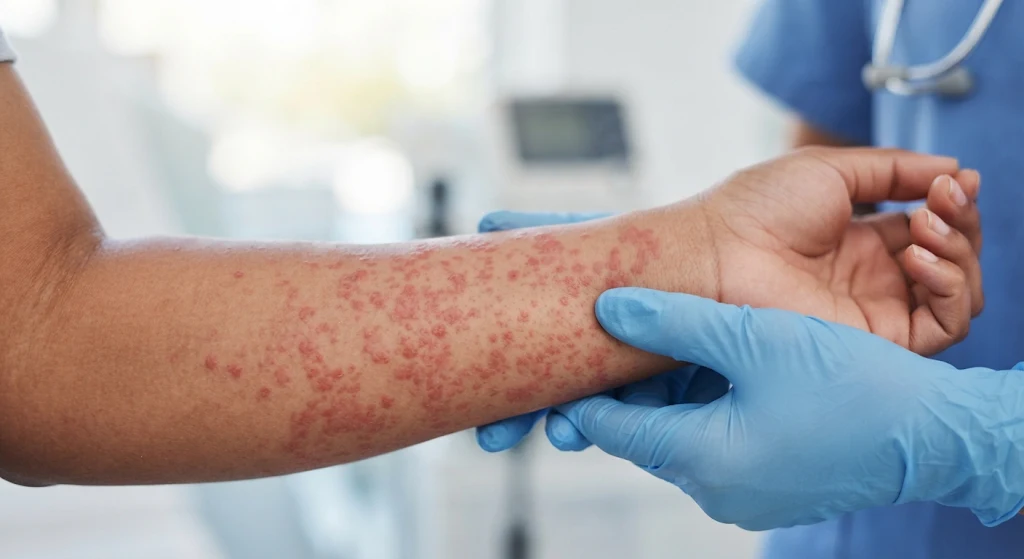
Why HIV Funding Remains Important Despite Years of Awareness

For decades, Nigeria has invested in HIV awareness campaigns, testing programmes, treatment services and public education. Yet, despite the progress made in educating people about HIV, the need for sustained funding remains as important as ever.

HIV awareness has helped millions of people understand how the virus is transmitted, how it can be prevented and why testing matters. It has also contributed to reducing misinformation and encouraging more people to seek medical attention.

However, awareness alone cannot control an epidemic. People need access to affordable testing, reliable medication, counselling, preventive services and continuous medical support. Without adequate funding, many of these essential services become difficult to maintain.

As Nigeria continues its efforts to control HIV, the question is no longer just how many people know about the virus, but whether everyone who needs prevention, testing and treatment can actually access them.

HIV Awareness Is Not Enough Without Access to Services

Knowing about HIV does not automatically mean someone can access an HIV test or receive treatment.

In some communities, people still face challenges such as long distances to healthcare facilities, inadequate medical supplies, financial difficulties and fear of discrimination.

Someone may understand the importance of knowing their HIV status but still postpone testing because the nearest testing centre is far away or they are afraid of being judged.

This is why funding remains necessary. Resources are needed to establish and maintain testing centres, provide trained healthcare workers, purchase testing kits and ensure that people can receive appropriate medical services.

Awareness campaigns must therefore be supported by accessible healthcare facilities.

HIV Treatment Requires Continuous Funding

HIV is a manageable chronic condition, but treatment requires consistency.

People living with HIV need access to antiretroviral therapy (ART), which suppresses the virus and helps them maintain good health.

When taken consistently as prescribed, ART can reduce the amount of HIV in the body to an undetectable level. People who achieve and maintain an undetectable viral load do not sexually transmit HIV. This is commonly described as Undetectable = Untransmittable (U=U).

However, maintaining treatment programmes requires continuous financial investment.

Funding supports the procurement and distribution of antiretroviral medicines, laboratory investigations, viral load monitoring, healthcare personnel and follow-up services.

Any disruption in treatment access can put patients at risk of treatment interruption, viral rebound and possible drug resistance.

For this reason, HIV funding should not be viewed as a temporary intervention but as a long-term public health investment.

The Importance of HIV Testing and Early Diagnosis

One major challenge in HIV prevention is that some people do not know their HIV status.

HIV can remain without noticeable symptoms for years. A person may look healthy and feel perfectly fine while living with the virus.

Regular testing helps people know their status early and access appropriate care when necessary.

Funding is required to provide HIV testing services, distribute test kits, train healthcare workers and ensure that people who receive reactive screening results can access confirmatory testing according to national testing guidelines.

Early diagnosis also creates an opportunity to begin treatment promptly, protect individual health and reduce further transmission.

Testing services must be confidential, accessible and free from discrimination.

Prevention Programmes Still Need Attention

Although awareness of HIV prevention has increased, prevention services remain essential.

Funding supports several interventions, including condom distribution, HIV education, pre-exposure prophylaxis (PrEP), post-exposure prophylaxis (PEP), prevention of mother-to-child transmission and targeted services for populations at increased risk.

PrEP is medication taken by HIV-negative people to reduce their risk of acquiring HIV.

PEP is emergency medication used after a possible exposure to HIV and must be started as soon as possible, within 72 hours.

These interventions can significantly reduce new infections when made available alongside proper counselling and testing.

Without adequate funding, prevention programmes may become inaccessible to the very people who need them.

Stigma Continues to Discourage People From Seeking Care

Another reason HIV funding remains important is the persistence of stigma and discrimination.

Despite years of public education, some people living with HIV still experience rejection, negative attitudes and unfair treatment.

Fear of being identified as HIV-positive can prevent individuals from seeking testing, collecting medication or attending follow-up appointments.

This is particularly concerning in communities where misconceptions about HIV transmission remain widespread.

Funding should support community education, counselling, mental health support and programmes that promote acceptance and protect the rights of people living with HIV.

Healthcare facilities must also maintain confidentiality and treat every patient with dignity.

What Happens When HIV Funding Declines

A reduction in HIV funding can have consequences beyond the immediate loss of financial support.

Testing programmes may reach fewer people, prevention services may become limited, healthcare facilities may struggle to maintain essential supplies and treatment monitoring may be affected.

Community outreach programmes that help identify people who need testing and treatment could also suffer.

The consequences may not become immediately visible, but weakened services can gradually affect progress made over several years.

This is why governments, development partners, healthcare organisations and other stakeholders must continue to prioritise HIV programmes.

Nigeria Needs Sustainable HIV Financing

Nigeria cannot depend entirely on external donors to sustain its HIV response.

While international organisations and development partners have played important roles in supporting HIV programmes, domestic financing is necessary to ensure continuity and long-term stability.

Government investment should cover essential HIV services, strengthen healthcare infrastructure, improve laboratory capacity and support the availability of medicines and testing supplies.

There is also a need for transparency and accountability to ensure that allocated resources reach the facilities and communities where they are needed.

A sustainable HIV response requires cooperation between federal and state governments, healthcare workers, civil society organisations, development partners and communities.

The Fight Against HIV Is Not Over

Years of awareness have helped change how many Nigerians understand HIV, but education alone cannot guarantee prevention, early diagnosis or successful treatment.

People need functioning healthcare systems, affordable services, reliable medication and protection from discrimination.

HIV funding is therefore not simply about purchasing medicines or organising awareness campaigns. It is about keeping people alive, preventing new infections, supporting families and protecting the progress already achieved.

The goal should not be to maintain awareness alone but to build a healthcare system where everyone can access HIV prevention, testing and treatment without fear or unnecessary barriers.

Because knowing about HIV is important, but having access to the services that make prevention and treatment possible is what turns awareness into meaningful action.

Julian Daily Gist Editorial Team

Julian Daily Gist Editorial Team is the team responsible for researching, writing, editing, and publishing news and feature content on Julian Daily Gist. Our coverage includes Nigerian current affairs, lifestyle, entertainment, sports, health, business, and human-interest stories. We aim to provide readers with timely, accurate, and responsibly sourced information. The Julian Daily Gist Editorial Team researches, writes, edits, and publishes news and feature content covering Nigerian current affairs, entertainment, sports, health, business, lifestyle, and human-interest stories. We aim to provide accurate, timely, and responsibly sourced information and update our reports when credible new information becomes available. The Julian Daily Gist Editorial Team is responsible for researching, writing, editing, and publishing content across Julian Daily Gist. Our coverage includes Nigerian current affairs, politics, business, entertainment, sports, health, lifestyle, and human-interest stories. We aim to provide readers with timely, accurate, useful, and responsibly sourced information. Our team makes reasonable efforts to verify important information, identify sources, distinguish allegations from confirmed facts, and update reports when credible new information becomes available. We also believe in transparency and accountability. Readers can contact our editorial team to report factual errors, request corrections, or provide additional information relevant to a published story. Editorial focus: News, current affairs, lifestyle, entertainment, sports, health, business, and human-interest stories. Team BIo: The Julian Daily Gist Editorial Team is responsible for researching, writing, editing, and publishing content across Julian Daily Gist. Our coverage includes Nigerian current affairs, politics, business, entertainment, sports, health, lifestyle, and human-interest stories. We aim to provide readers with timely, accurate, useful, and responsibly sourced information. Our team makes reasonable efforts to verify important information, identify sources, distinguish allegations from confirmed facts, and update reports when credible new information becomes available. We also believe in transparency and accountability. Readers can contact our editorial team to report factual errors, request corrections, or provide additional information relevant to a published story. Editorial focus: News, current affairs, lifestyle, entertainment, sports, health, business, and human-interest stories. Editorial Policy: At Julian Daily Gist, our goal is to provide readers with timely, useful, accurate, and responsibly presented news and information. We cover Nigerian current affairs, politics, business, entertainment, sports, health, lifestyle, human-interest stories, and other topics of interest to our readers. 1. Accuracy and Verification We make reasonable efforts to ensure that information published on Julian Daily Gist is accurate and presented in its proper context. Before publishing a report, our editorial team makes reasonable efforts to: - Check information against credible sources. - Verify names, dates, locations, figures, and other important details. - Attribute information to the appropriate source. - Distinguish confirmed facts from allegations, claims, opinions, and speculation. - Update stories when credible new information becomes available. When information cannot be independently verified, we make this clear to readers rather than presenting it as established fact. 2. Sources We use a range of sources, including: - Official government statements. - Police and security agencies. - Courts and legal documents. - Government agencies. - Direct interviews and statements. - Reputable news organizations. - Publicly available records. - Verified social media accounts and statements. When an article relies substantially on information reported by another publication, we aim to clearly attribute the information to that source. We do not intentionally present another publication's reporting as our own. 3. Originality Julian Daily Gist aims to provide original editorial value. When we report information that has already been published elsewhere, we seek to add value through original writing, context, verification, analysis, additional information, or other useful material. We do not intentionally copy and republish articles from other websites without appropriate attribution and meaningful editorial contribution. 4. Allegations and Sensitive Claims When reporting allegations involving individuals or organizations, we make reasonable efforts to clearly identify allegations as allegations. We avoid presenting unproven accusations as established facts. Where relevant, we seek or include responses from the person, organization, or representative concerned. For criminal matters, we recognize that an allegation, arrest, charge, or accusation does not by itself establish guilt. 5. Headlines Our headlines are intended to accurately reflect the content of our articles. We aim to avoid deliberately misleading headlines, fabricated claims, or headlines that exaggerate facts simply to generate clicks. 6. Corrections and Updates We take corrections seriously. If we discover that an article contains a significant factual error, we may correct or update the article as appropriate. Readers who identify an error are encouraged to contact us with specific information supporting the correction. Where appropriate, significant corrections or updates may be noted within the article. 7. Editorial Independence Editorial decisions are made independently of advertisers, sponsors, commercial partners, and other external interests. Advertising or sponsorship does not automatically influence our editorial decisions or the opinions expressed by our writers. 8. Sponsored and Promotional Content Where Julian Daily Gist publishes sponsored, paid, or promotional content, we aim to clearly identify it as such. Sponsored content does not necessarily represent the independent editorial views of Julian Daily Gist. 9. Conflicts of Interest Our editorial team should avoid situations where personal, financial, or other interests could improperly influence reporting. Where a relevant conflict of interest exists, we aim to disclose it when appropriate. 10. Use of Images and Other Media We aim to use images, videos, graphics, and other media responsibly and with appropriate permission, licensing, attribution, or other lawful basis where required. We do not knowingly use copyrighted material in a manner that infringes the rights of its owner. If you believe that material published on Julian Daily Gist infringes your copyright, please contact us so that we can review the matter. 11. Artificial Intelligence We may use technology and artificial intelligence tools to assist with certain editorial tasks, such as research support, proofreading, formatting, transcription, or drafting assistance. However, AI-generated information is not treated as automatically accurate. Content remains subject to human review, editing, fact-checking, and editorial judgment before publication where appropriate. We do not intentionally publish fabricated information generated by AI. 12. Privacy and Personal Information We take reasonable care when handling personal information and avoid publishing unnecessary private information about individuals. Sensitive personal information is published only when there is a legitimate public-interest reason and where appropriate. Our handling of visitor information is explained in our Privacy Policy. 13. Opinion and Commentary Opinion articles and commentary represent the views expressed by the respective writer or contributor. Where appropriate, opinion content will be identified as commentary, analysis, or opinion so that readers can distinguish it from straightforward news reporting. 14. User-Generated Content Comments and other material submitted by readers may be moderated. We reserve the right to remove content that is unlawful, defamatory, abusive, discriminatory, misleading, threatening, spam-related, or otherwise inappropriate. User comments do not necessarily represent the views of Julian Daily Gist. 15. Our Commitment We are committed to improving the quality, accuracy, transparency, and usefulness of Julian Daily Gist. As our publication grows, we will continue reviewing our editorial practices and updating this policy when necessary. 16. Contact and Corrections If you have a correction, clarification, complaint, copyright concern, or question about our editorial practices, please contact us through our Contact Us page.

You May Also Like

Leave a Reply

Your email address will not be published. Required fields are marked *