
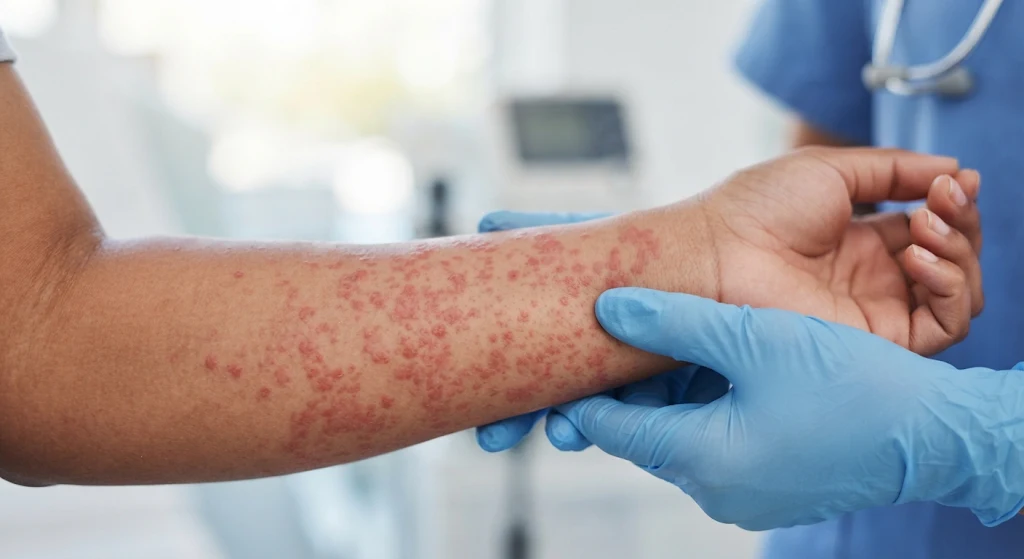
For decades, Nigeria has invested in HIV awareness campaigns, testing programmes, treatment services and public education. Yet, despite the progress made in educating people about HIV, the need for sustained funding remains as important as ever.
HIV awareness has helped millions of people understand how the virus is transmitted, how it can be prevented and why testing matters. It has also contributed to reducing misinformation and encouraging more people to seek medical attention.
However, awareness alone cannot control an epidemic. People need access to affordable testing, reliable medication, counselling, preventive services and continuous medical support. Without adequate funding, many of these essential services become difficult to maintain.
As Nigeria continues its efforts to control HIV, the question is no longer just how many people know about the virus, but whether everyone who needs prevention, testing and treatment can actually access them.
HIV Awareness Is Not Enough Without Access to Services
Knowing about HIV does not automatically mean someone can access an HIV test or receive treatment.
In some communities, people still face challenges such as long distances to healthcare facilities, inadequate medical supplies, financial difficulties and fear of discrimination.
Someone may understand the importance of knowing their HIV status but still postpone testing because the nearest testing centre is far away or they are afraid of being judged.
This is why funding remains necessary. Resources are needed to establish and maintain testing centres, provide trained healthcare workers, purchase testing kits and ensure that people can receive appropriate medical services.
Awareness campaigns must therefore be supported by accessible healthcare facilities.
HIV Treatment Requires Continuous Funding
HIV is a manageable chronic condition, but treatment requires consistency.
People living with HIV need access to antiretroviral therapy (ART), which suppresses the virus and helps them maintain good health.
When taken consistently as prescribed, ART can reduce the amount of HIV in the body to an undetectable level. People who achieve and maintain an undetectable viral load do not sexually transmit HIV. This is commonly described as Undetectable = Untransmittable (U=U).
However, maintaining treatment programmes requires continuous financial investment.
Funding supports the procurement and distribution of antiretroviral medicines, laboratory investigations, viral load monitoring, healthcare personnel and follow-up services.
Any disruption in treatment access can put patients at risk of treatment interruption, viral rebound and possible drug resistance.
For this reason, HIV funding should not be viewed as a temporary intervention but as a long-term public health investment.
The Importance of HIV Testing and Early Diagnosis
One major challenge in HIV prevention is that some people do not know their HIV status.
HIV can remain without noticeable symptoms for years. A person may look healthy and feel perfectly fine while living with the virus.
Regular testing helps people know their status early and access appropriate care when necessary.
Funding is required to provide HIV testing services, distribute test kits, train healthcare workers and ensure that people who receive reactive screening results can access confirmatory testing according to national testing guidelines.
Early diagnosis also creates an opportunity to begin treatment promptly, protect individual health and reduce further transmission.
Testing services must be confidential, accessible and free from discrimination.
Prevention Programmes Still Need Attention
Although awareness of HIV prevention has increased, prevention services remain essential.
Funding supports several interventions, including condom distribution, HIV education, pre-exposure prophylaxis (PrEP), post-exposure prophylaxis (PEP), prevention of mother-to-child transmission and targeted services for populations at increased risk.
PrEP is medication taken by HIV-negative people to reduce their risk of acquiring HIV.
PEP is emergency medication used after a possible exposure to HIV and must be started as soon as possible, within 72 hours.
These interventions can significantly reduce new infections when made available alongside proper counselling and testing.
Without adequate funding, prevention programmes may become inaccessible to the very people who need them.
Stigma Continues to Discourage People From Seeking Care
Another reason HIV funding remains important is the persistence of stigma and discrimination.
Despite years of public education, some people living with HIV still experience rejection, negative attitudes and unfair treatment.
Fear of being identified as HIV-positive can prevent individuals from seeking testing, collecting medication or attending follow-up appointments.
This is particularly concerning in communities where misconceptions about HIV transmission remain widespread.
Funding should support community education, counselling, mental health support and programmes that promote acceptance and protect the rights of people living with HIV.
Healthcare facilities must also maintain confidentiality and treat every patient with dignity.
What Happens When HIV Funding Declines
A reduction in HIV funding can have consequences beyond the immediate loss of financial support.
Testing programmes may reach fewer people, prevention services may become limited, healthcare facilities may struggle to maintain essential supplies and treatment monitoring may be affected.
Community outreach programmes that help identify people who need testing and treatment could also suffer.
The consequences may not become immediately visible, but weakened services can gradually affect progress made over several years.
This is why governments, development partners, healthcare organisations and other stakeholders must continue to prioritise HIV programmes.
Nigeria Needs Sustainable HIV Financing
Nigeria cannot depend entirely on external donors to sustain its HIV response.
While international organisations and development partners have played important roles in supporting HIV programmes, domestic financing is necessary to ensure continuity and long-term stability.
Government investment should cover essential HIV services, strengthen healthcare infrastructure, improve laboratory capacity and support the availability of medicines and testing supplies.
There is also a need for transparency and accountability to ensure that allocated resources reach the facilities and communities where they are needed.
A sustainable HIV response requires cooperation between federal and state governments, healthcare workers, civil society organisations, development partners and communities.
The Fight Against HIV Is Not Over
Years of awareness have helped change how many Nigerians understand HIV, but education alone cannot guarantee prevention, early diagnosis or successful treatment.
People need functioning healthcare systems, affordable services, reliable medication and protection from discrimination.
HIV funding is therefore not simply about purchasing medicines or organising awareness campaigns. It is about keeping people alive, preventing new infections, supporting families and protecting the progress already achieved.
The goal should not be to maintain awareness alone but to build a healthcare system where everyone can access HIV prevention, testing and treatment without fear or unnecessary barriers.
Because knowing about HIV is important, but having access to the services that make prevention and treatment possible is what turns awareness into meaningful action.


