
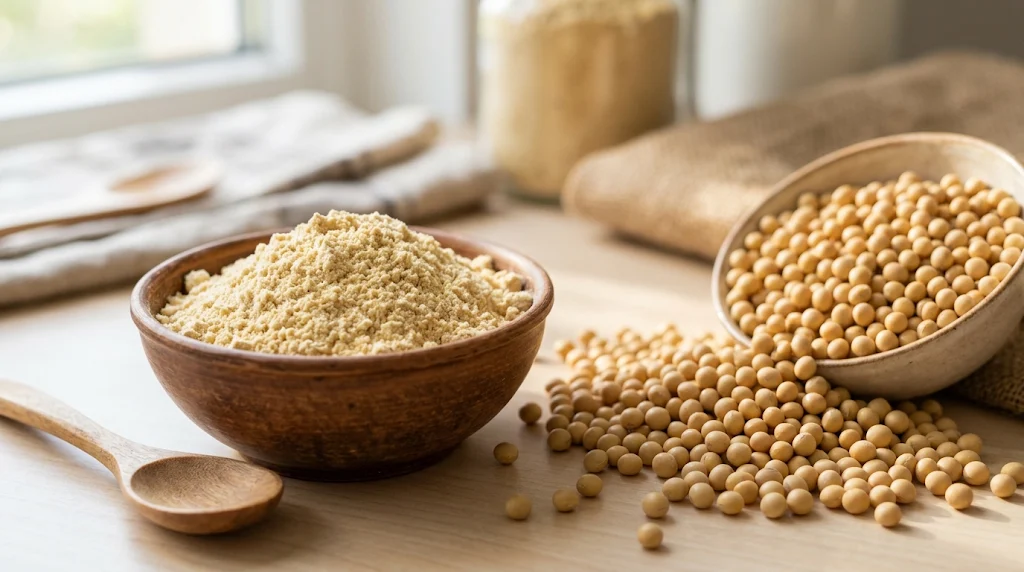
What if one of the affordable foods you can add to your everyday diet could help support your immune system?
Soybeans are among the most nutritious plant-based foods available. Although they are commonly used to produce soy milk, tofu, soybean oil and other food products, many people do not fully understand their nutritional value.
Rich in plant-based protein, vitamins, minerals and beneficial plant compounds, soybeans can contribute to a healthy and balanced diet.
One of their important nutritional advantages is their ability to provide nutrients that support normal immune system function.
However, it is important to understand that soybeans are not a medicine or a magical immune booster. They do not prevent infections or cure diseases. Rather, they supply nutrients that help the body maintain its normal defence mechanisms.
Here are seven reasons why adding properly prepared soybeans to your diet may benefit your health.
1. Soybeans Provide Protein Needed for Immune Function
Protein is essential for the proper functioning of the human body, including the immune system.
The body uses amino acids, which are the building blocks of protein, to produce antibodies and other important immune-related substances.
Soybeans are particularly valuable because they contain complete plant protein, meaning they provide all nine essential amino acids that the body cannot produce on its own in sufficient amounts.
For people who consume little meat, fish or eggs, soybeans can be a useful way to improve their dietary protein intake.
2. They Contain Antioxidant Compounds
Soybeans contain naturally occurring plant compounds known as isoflavones.
These compounds have antioxidant properties and may help protect cells against oxidative stress.
Oxidative stress occurs when there is an imbalance between free radicals and the body’s ability to neutralise them.
Although antioxidants contribute to normal cellular protection, eating soybeans should not be viewed as a treatment for infections or other medical conditions.
3. They Supply Iron for Healthy Blood Function
Iron is an essential mineral required for the production of haemoglobin, the protein in red blood cells responsible for transporting oxygen around the body.
Soybeans provide plant-based iron, which contributes to meeting the body’s daily iron requirements.
Iron also plays a role in normal immune system function.
However, the iron found in plant foods is non-haem iron, which is generally less easily absorbed than the iron found in animal products.
Combining soybean meals with vitamin C-rich foods such as oranges, tomatoes, guava and peppers can help improve iron absorption.
4. They Contain Zinc That Supports Immune Health
Zinc is an important mineral involved in several biological processes, including normal immune function, wound healing and cell growth.
Insufficient zinc intake can affect the body’s ability to maintain a healthy immune response.
Soybeans contain zinc, making them a useful addition to a varied diet.
However, the amount of zinc the body absorbs from plant foods can be affected by compounds called phytates.
Proper food preparation, including soaking and cooking, can help reduce some of these compounds.
5. They Provide Fibre for Gut Health
Your gut does more than digest food. It also plays an important role in maintaining overall health and supporting the body’s immune system.
Soybeans contain dietary fibre, which supports bowel regularity and provides nourishment for beneficial gut bacteria.
A healthy gut microbiome contributes to normal digestive and immune functions.
Including fibre-rich foods such as soybeans, vegetables, fruits, beans and whole grains in your meals can help support digestive health.
Remember to increase fibre intake gradually and drink enough water to reduce digestive discomfort.
6. They Provide Important Vitamins and Minerals
Soybeans contain several nutrients that contribute to normal body functions.
Folate, which supports cell division and the formation of healthy red blood cells.
Magnesium, which supports muscle and nerve function.
Potassium, which helps regulate fluid balance and supports normal muscle function.
Vitamin K, which contributes to normal blood clotting and bone health.
A balanced supply of these nutrients helps the body maintain its normal physiological processes.
7. They Support Overall Nutritional Health
Good immune health depends on more than one food or nutrient.
The body needs adequate protein, vitamins, minerals, healthy fats, sufficient sleep and regular physical activity to maintain normal immune function.
Soybeans can contribute to this nutritional balance because they provide protein, fibre, healthy unsaturated fats and several essential minerals.
When included as part of a varied diet, they can support general nutritional wellbeing.
How Can You Include Soybeans in Your Everyday Diet?
The good thing about soybeans is that they can be prepared in different ways using ingredients commonly available in Nigerian markets.
Here are some options:
Homemade soy milk: Properly soak, cook and blend soybeans, then strain to produce soy milk. Ensure the beans are thoroughly cooked before consumption.
Soybean porridge: Cook soybeans until soft and combine them with other nutritious ingredients.
Soybean flour: Properly processed soybean flour can be added to certain meals to increase their protein content.
Soybean snacks: Roasted soybeans can serve as a protein-containing snack when prepared hygienically and consumed in reasonable portions.
Who Should Be Careful When Eating Soybeans?
Although soybeans are nutritious, they are not suitable for everyone.
People with soy allergies should avoid soy products because they can trigger allergic reactions.
Some individuals may also experience bloating, gas or digestive discomfort after consuming large quantities.
People taking thyroid medication such as levothyroxine should follow their healthcare provider’s advice about timing soy consumption, as soy foods can affect medication absorption when consumed too close to the dose.
As with other foods, moderation and dietary variety are important.
Soybeans are more than just an ingredient for making homemade soy milk. They are a valuable source of plant protein, fibre, iron, zinc and beneficial plant compounds.
While no single food can guarantee strong immunity or protect you from every infection, eating a balanced diet that includes nutritious foods such as soybeans can help provide the nutrients your body needs to function properly.
Instead of searching for expensive products advertised as immune boosters, start by paying attention to the quality of food you eat every day.
Sometimes, improving your nutrition begins with making better use of the affordable foods already available around you.


