
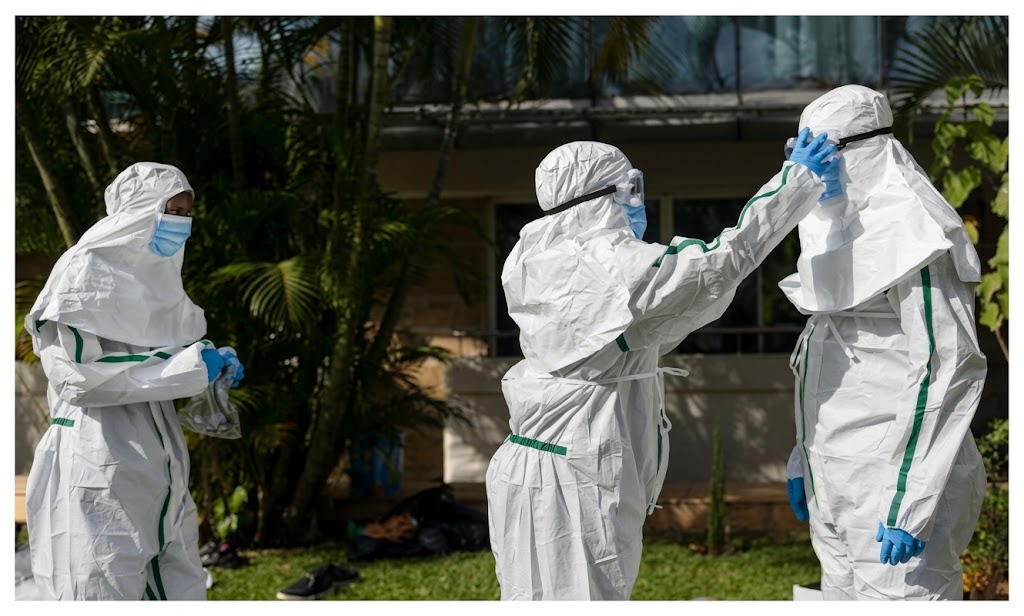
When people hear the word Ebola, fear and uncertainty can spread quickly, especially in communities where information about the disease is limited. Questions often arise about how the infection spreads, who may be at risk, and what families should do if someone is suspected of having the disease.
One public health measure that becomes particularly important during an Ebola outbreak is contact tracing. Although the term may sound technical, the idea behind it is straightforward: health authorities identify people who may have been exposed to an infected person, assess their risk, and monitor their health so that possible infections can be detected early.
For Nigeria, a country with busy markets, crowded transport systems, major cities, and frequent movement between states, effective disease surveillance and public awareness are essential parts of protecting public health.
However, it is important to distinguish between general preparedness and an active outbreak. The discussion of Nigeria’s Ebola response in this article explains how contact tracing works and what families should understand; it does not, by itself, confirm that Nigeria is experiencing an Ebola outbreak. Readers should consult official public health announcements for the latest information about any reported cases or exposure alerts.
Understanding contact tracing can help families respond calmly, protect vulnerable people, and cooperate with health workers when necessary.
What Is Ebola
Ebola virus disease is a serious illness caused by viruses in the Orthoebolavirus genus. It can cause severe illness and, in some cases, death. The severity of an outbreak depends on several factors, including the virus species involved, the speed of detection, access to medical care, and the effectiveness of public health measures.
Symptoms may include:
Fever
Severe weakness and fatigue
Headache
Muscle pain
Sore throat
Vomiting
Diarrhoea
Abdominal pain
Unexplained bleeding in some cases
These symptoms can resemble those of other illnesses, including malaria and other infections common in Nigeria. Therefore, symptoms alone cannot confirm Ebola.
People who develop compatible symptoms after a possible exposure need prompt medical assessment. Health professionals will consider their exposure history and arrange appropriate testing where indicated.
How Does Ebola Spread
Ebola is primarily transmitted through direct contact with the blood or other body fluids of a person who is sick with or has died from the disease, when those fluids enter another person’s body through broken skin or the eyes, nose, or mouth.
Transmission can also occur through contaminated objects, such as needles, clothing, bedding, or medical equipment, when they carry infectious body fluids.
In some outbreaks, exposure has occurred during the preparation of bodies for burial, particularly when people touch the body without appropriate protective measures.
Ebola does not spread through the air in the same way as measles. Simply sharing a public space with someone does not automatically mean that a person has been exposed.
Understanding these differences is important because misinformation can cause unnecessary panic, discrimination, and the isolation of people who may not be at risk.
What Is Contact Tracing
Contact tracing is a public health process used to identify people who may have come into contact with someone who has a confirmed infectious disease.
In an Ebola response, trained public health workers interview the infected person, where possible, to understand where they have been, who they have interacted with, and whether anyone may have been exposed to infectious body fluids.
The team then identifies potential contacts, assesses the nature of each exposure, and determines what follow-up is necessary.
Contact tracing generally involves three major steps:
1. Identifying contacts
Health workers gather information about people who may have been exposed to the infected person during the relevant period. Depending on the circumstances, these people could include household members, caregivers, healthcare workers, or others who had direct contact with infectious body fluids.
2. Assessing and monitoring contacts
Public health teams assess the level of exposure and provide instructions on what to do next. People considered to have had a relevant exposure may be monitored for symptoms for 21 days after their last possible exposure to Ebola.
The monitoring period is important because symptoms may not appear immediately. Monitoring is not the same as confirming that someone has the infection.
3. Acting quickly if symptoms develop
If a contact develops symptoms that could indicate Ebola, health authorities arrange prompt assessment and appropriate testing. Suspected cases are managed through established infection prevention and control procedures to reduce the risk of further transmission.
The objective is to identify possible cases early, provide appropriate care, and interrupt chains of transmission before the disease spreads further.
Why Is Contact Tracing Important for Nigeria?
Nigeria has experience responding to infectious disease threats, including the 2014 Ebola outbreak. During that outbreak, the country demonstrated the importance of rapid identification of cases, contact tracing, infection control, and coordination between public health agencies.
That experience offers useful lessons for future preparedness.
1. It Helps Detect Infections Early
A person exposed to Ebola may initially feel healthy. Without appropriate follow-up, symptoms could develop before the person realises that medical assessment is necessary.
Contact tracing helps public health teams identify people who may need monitoring and provide them with clear instructions on when and where to seek care.
Early detection can reduce the likelihood of additional exposures.
2. It Protects Families and Caregivers
Family members are often the first people to care for someone who becomes ill at home. They may prepare meals, clean vomit or diarrhoea, assist with bathing, or handle clothing and bedding.
During an Ebola outbreak, these activities can create a risk if the sick person has Ebola and appropriate infection prevention measures are not followed.
Contact tracing helps identify family members who may have experienced an exposure. Health workers can then assess their risk, explain the precautions they should take, and arrange monitoring when necessary.
Families should not attempt to provide high-risk care to a suspected Ebola patient without professional guidance and appropriate protective equipment.
3. It Reduces Pressure on Healthcare Facilities
When a potential case is identified early, health authorities can organise appropriate assessment and care rather than allowing the person to move between facilities without necessary precautions.
This is important for protecting healthcare workers, other patients, cleaners, laboratory personnel, and anyone else who may come into contact with infectious materials.
Hospitals and clinics also need clear procedures for identifying suspected cases, notifying public health authorities, and using appropriate protective equipment.
4. It Helps Authorities Understand the Spread of Disease
Contact tracing provides information about how an infection may be moving through a community.
For example, if several cases are connected to the same household or healthcare facility, investigators can examine the circumstances and identify opportunities to prevent further transmission.
This information helps public health authorities decide where additional surveillance, testing, communication, and medical resources may be needed.
What Does Contact Tracing Mean for Nigerian Families?
For families, contact tracing does not mean that everyone in a household is automatically infected or that an entire community must be placed under restrictions.
The response depends on the nature of the exposure and the guidance of public health authorities.
Here are some important things families should understand.
A Contact Is Not Necessarily an Infected Person
One of the most important facts about contact tracing is that being identified as a contact does not mean that a person has Ebola.
A contact is someone whose possible exposure requires assessment. Some people may have had no meaningful exposure, while others may need monitoring or testing depending on their circumstances.
Families should avoid labelling, blaming, or discriminating against people who are being monitored.
Monitoring Does Not Automatically Mean Hospitalisation
People identified as contacts do not all require hospital admission.
Public health teams assess the nature of the exposure and determine the appropriate follow-up. Depending on the circumstances and applicable public health guidance, a person may be monitored without being admitted to a hospital.
Anyone who develops symptoms should follow the instructions provided by health authorities and seek prompt assessment.
Families Should Cooperate With Health Workers
If public health officials contact a family because of a possible Ebola exposure, providing accurate information can help protect everyone involved.
Families should answer questions honestly, follow monitoring instructions, and report symptoms promptly.
Hiding information because of fear or embarrassment can make it more difficult to identify people who may need medical attention.
Health workers should also communicate respectfully and explain the reasons for the precautions being recommended.
Privacy and Confidentiality Matter
Disease outbreaks can create fear, gossip, and discrimination. A person who is being monitored may face unnecessary stigma if private health information is shared carelessly.
Health authorities and healthcare workers should handle personal information according to applicable confidentiality and public health requirements.
Community members should avoid circulating unverified names, photographs, addresses, or allegations about suspected patients.
Protecting privacy encourages people to report exposures and seek care without unnecessary fear of public humiliation.
What Should Someone Do After a Possible Ebola Exposure?
Anyone who believes they may have been exposed to Ebola should take the situation seriously without assuming that infection has occurred.
The appropriate steps include the following:
1. Contact public health authorities promptly.
Seek guidance from a healthcare professional or the appropriate public health authority, particularly if the exposure involved direct contact with blood or other body fluids from a person suspected or confirmed to have Ebola.
2. Follow the instructions provided.
Health officials will assess the exposure and explain whether monitoring, testing, or other precautions are required.
Do not assume that every interaction with a sick person carries the same level of risk.
3. Monitor for symptoms as directed.
The incubation period for Ebola is generally 2 to 21 days. People identified as contacts may be monitored for 21 days after their last possible exposure.
If symptoms develop during this period, they should immediately notify the health team responsible for their follow-up.
4. Avoid exposing other people if symptoms develop after a relevant exposure.
Do not continue ordinary activities while ignoring symptoms that may be related to a possible Ebola exposure. Contact the relevant health authorities for instructions on safe assessment and transport.
Avoid direct contact with other people’s body fluids and do not attempt to treat a suspected case at home without professional guidance.
5. Do not take medicines without medical advice.
There is no home remedy that can reliably prevent or cure Ebola. Unprescribed antibiotics, herbal preparations, or other substances should not replace professional assessment.
Early medical care and appropriate supportive treatment are important for people who develop Ebola.
How Can Families Protect Themselves During an Ebola Alert?
Preparedness does not require panic buying, avoiding every public gathering, or treating people from a particular location as dangerous.
Instead, families can focus on practical precautions.
Practise Good Hand Hygiene
Wash your hands thoroughly with soap and running water, especially after using the toilet, before preparing food, and after caring for someone who is sick.
Alcohol-based hand sanitiser may be useful when hands are not visibly dirty and soap and water are unavailable.
However, hand hygiene alone does not eliminate the risk associated with direct contact with infectious body fluids.
Avoid Contact With Body Fluids From Suspected Cases
Do not touch the blood, vomit, diarrhoea, or other body fluids of someone suspected or confirmed to have Ebola.
Do not handle contaminated bedding, clothing, medical waste, or needles without appropriate training and protective equipment.
If a family member becomes seriously ill, seek professional assistance rather than attempting risky cleaning or caregiving procedures.
Seek Reliable Health Information
During public health emergencies, social media posts and forwarded messages can spread faster than verified information.
A message claiming that a particular town has Ebola should not be treated as fact simply because it has been shared by many people.
Check announcements from Nigeria’s public health authorities and the World Health Organization before sharing outbreak claims.
Avoid Stigmatising People
Infectious diseases can affect people from different backgrounds. Blaming a family, community, healthcare worker, or traveller without evidence does not help control an outbreak.
Accurate information, respectful communication, and cooperation with public health teams are more useful than fear and discrimination.
The Role of Communities in Preventing Ebola Transmission
Contact tracing is most effective when communities understand its purpose and cooperate with public health workers.
Traditional leaders, religious organisations, community health workers, schools, local associations, and media organisations can all contribute to public awareness.
Community Leaders Can Help Correct Misinformation
Community leaders can encourage residents to seek medical advice when necessary and discourage the spread of unverified outbreak reports.
They can also explain that people being monitored are not automatically infected and should not be subjected to harassment.
Healthcare Workers Need Community Support
Healthcare workers play a critical role in identifying suspected cases, assessing exposures, providing care, and educating the public.
Communities should support their work rather than threaten or discriminate against them.
Health facilities must also maintain appropriate infection prevention and control procedures to protect both patients and staff.
Religious Organisations Can Share Accurate Information
Churches, mosques, and other religious organisations can help communicate verified health advice to their members.
Leaders can encourage people to seek professional medical care while offering emotional and practical support to affected families.
Faith and medical care do not have to be treated as competing choices. People can maintain their religious beliefs while following evidence-based public health guidance.
The Media Must Report Responsibly
News organisations and bloggers have a responsibility to distinguish verified information from speculation.
Publishing an unconfirmed Ebola alert may cause unnecessary fear, damage reputations, and discourage people from seeking care.
Responsible reporting should explain what is known, what remains unconfirmed, and where readers can find official updates.
For a health-focused platform such as JulianDailyGist, this means prioritising accuracy over sensational headlines.
What Nigeria Learned From the 2014 Ebola Outbreak
Nigeria’s experience during the 2014 Ebola outbreak remains an important example of how coordinated public health action can help contain a serious infectious disease threat.
The outbreak began after an infected traveller arrived in Lagos. Following the identification of the initial case, Nigerian health authorities and partners worked to trace contacts, monitor potentially exposed people, improve infection prevention, and coordinate the response.
The World Health Organization subsequently declared the outbreak in Nigeria over in October 2014.
The experience demonstrated the value of identifying cases quickly, maintaining accurate contact records, following up with exposed people, and communicating clear information to the public.
It also highlighted the need for preparedness before an emergency occurs. Trained personnel, reliable surveillance systems, equipped healthcare facilities, and public trust can make a significant difference when a new threat emerges.
Nigeria’s past success does not mean that future outbreaks would be easy to control. It shows why preparedness, coordination, and timely action remain important.
Can Ebola Spread Across Nigerian States?
The possibility of an infectious disease spreading between states depends on several factors, including whether infected people travel, when symptoms develop, whether contacts are identified, and how quickly public health measures are implemented.
Nigeria’s extensive road networks, air travel, commercial activities, and movement between communities make coordinated surveillance important.
However, travel between states does not automatically mean that an outbreak will spread. The risk depends on the disease, the exposure involved, and the circumstances of the situation.
If an Ebola case is confirmed, public health authorities may investigate the person’s travel history and identify people who could have been exposed.
Where necessary, they may coordinate follow-up across state boundaries to ensure that contacts receive appropriate guidance.
Members of the public should follow official travel and health advice rather than making decisions based on rumours.
Fear can lead people to hide symptoms, avoid healthcare facilities, or refuse to cooperate with contact tracing teams.
Misinformation can also cause people to misuse medicines, rely on unproven remedies, or accuse innocent individuals of spreading disease.
Accurate information helps families understand the difference between a possible exposure and a confirmed infection.
It also helps the public understand why monitoring is necessary and why suspected cases require professional assessment.
For this reason, public communication should be clear, timely, consistent, and respectful.
Readers should look for updates from the Nigeria Centre for Disease Control and Prevention (NCDC), the Federal Ministry of Health and Social Welfare, and the World Health Organization (WHO).
Official sources are particularly important when checking whether an outbreak has been reported, which locations may be affected, and what precautions the public should take.