
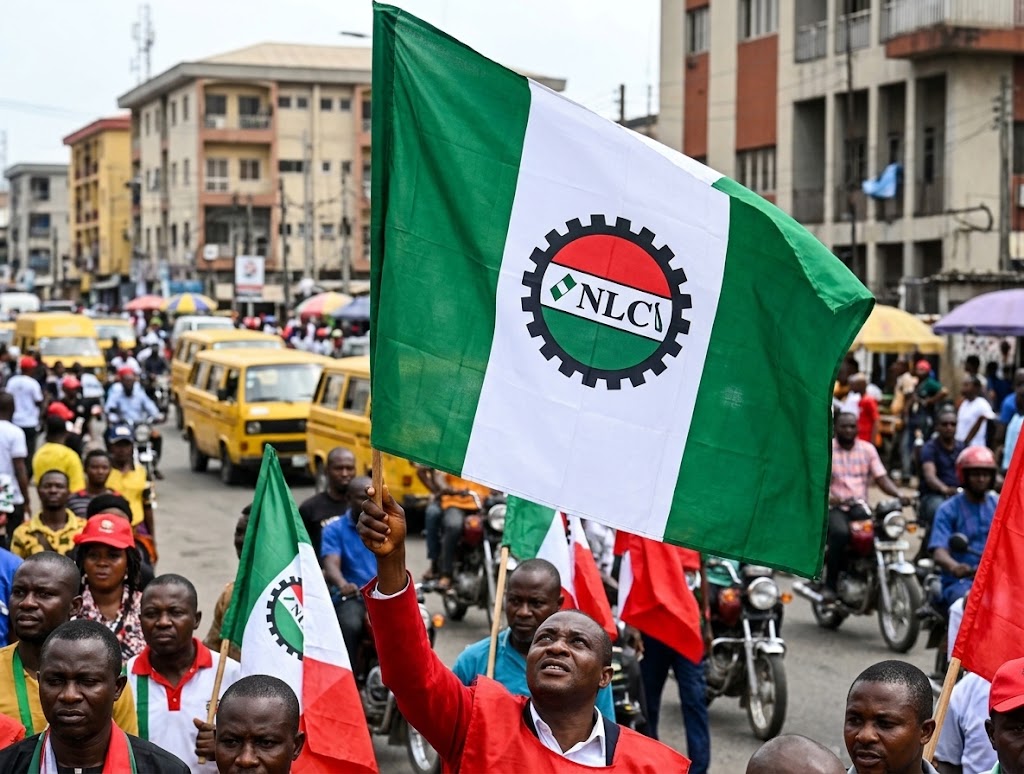
The disagreement between two of Nigeria’s major labour organisations has brought fresh attention to the growing concerns surrounding workers’ welfare, transportation costs and the rising cost of living. The Trade Union Congress of Nigeria (TUC) has challenged the Nigeria Labour Congress (NLC) over negotiations involving the proposed ₦70,000 transport allowance for Nigerian workers, insisting that the issue should not be handled without proper consideration of workers’ interests.
The development has raised important questions about how organised labour represents employees, particularly at a time when many Nigerians are struggling to cope with increasing transportation expenses, food prices, accommodation costs and other basic household responsibilities.
For millions of workers who depend on public transportation to get to their workplaces every day, the cost of commuting has become more than an ordinary monthly expense. It is now a significant part of their financial struggles. Consequently, any discussion concerning transport allowances is likely to attract considerable attention from the working population.
Why the ₦70,000 Transport Allowance Matters
Transportation is one of the unavoidable expenses associated with formal employment. Unlike some personal expenses that workers can postpone or reduce, getting to work is a daily responsibility for most employees.
In cities such as Lagos, Abuja, Port Harcourt, Onitsha and other major commercial centres, workers often spend a considerable portion of their salaries travelling between their homes and workplaces. The situation is particularly difficult for employees who live far from their offices because of expensive accommodation closer to business districts.
With the continued pressure of fuel prices and public transport fares, workers are finding it increasingly difficult to maintain their previous standard of living.
A transport allowance could provide some financial relief, especially for low-income earners who spend a significant percentage of their monthly income on commuting. However, the real value of such an allowance depends on whether it reflects the actual transportation expenses workers face.
An amount that appears substantial on paper may offer limited relief when measured against the daily cost of transportation, particularly for workers who travel long distances.
TUC’s Position and the Importance of Labour Representation
The TUC’s challenge to the NLC highlights the importance of consultation and collective representation in labour negotiations.
Both organisations play significant roles in protecting the interests of Nigerian workers. Their responsibilities include engaging government and employers on issues affecting salaries, working conditions, welfare packages and other employment-related concerns.
However, when disagreements emerge between labour organisations, the issue becomes more complicated because workers expect their representatives to speak with a united voice.
The TUC’s reported position, particularly its objection to the NLC negotiating the allowance on behalf of workers without the appropriate authority, raises a broader question about the representation of employees during negotiations.
Who has the mandate to negotiate particular benefits? Which workers are covered by an agreement? And how can labour organisations ensure that decisions made during negotiations reflect the expectations of the people they represent?
These are important questions that deserve clear answers.
Nigerian Workers Are Already Under Financial Pressure
The disagreement comes at a time when the average Nigerian worker is facing several economic challenges.
For many households, salary increases have not necessarily translated into improved living conditions. The rising prices of food, transportation, electricity, healthcare and other essential services continue to affect purchasing power.
A worker earning a fixed monthly salary may discover that the amount that previously covered transportation and feeding is no longer sufficient.
The situation is particularly challenging for workers with families and other financial responsibilities. School fees, rent, medical bills and household expenses compete for the same limited income.
Some employees have had to adjust their lifestyles, reduce unnecessary spending or seek additional sources of income to remain financially stable.
This explains why discussions about allowances and other welfare benefits are important. Workers are not simply demanding additional payments; they are seeking ways to maintain a reasonable standard of living despite changing economic conditions.
Why a Transport Allowance Should Be Properly Structured
Beyond the disagreement between the two labour organisations, there is a need to examine how transport allowances should be implemented.
A sustainable transport benefit should consider the different transportation realities across the country. The amount spent by a worker travelling within a small town may be considerably different from what an employee spends commuting in Lagos or Abuja.
There are also differences between workers who use commercial buses, taxis, motorcycles and personal vehicles.
A uniform allowance may therefore provide unequal levels of relief to employees in different locations.
Another important consideration is payment consistency. Workers need to know whether the allowance will be a regular monthly benefit, a temporary intervention or a payment tied to particular economic conditions.
Clear guidelines would help prevent confusion and ensure that the benefit achieves its intended purpose.
Labour organisations should also ensure that any agreement reached is properly communicated to affected workers. Employees deserve to understand what has been negotiated in their names and what benefits they can realistically expect.
The Need for Unity Within Organised Labour
Disagreements are not unusual in labour relations, particularly when organisations have different interpretations of policies, agreements or negotiation procedures.
However, the manner in which such disagreements are handled matters greatly.
When labour organisations disagree publicly, workers may become uncertain about who is representing their interests. It can also weaken the collective position of organised labour during discussions with government and employers.
This does not mean that disagreements should be ignored. Constructive criticism and accountability are necessary in every organisation. What matters is finding a way to resolve differences without allowing internal disagreements to overshadow the welfare of the people being represented.
Nigerian workers need labour organisations that can communicate effectively, negotiate transparently and remain focused on practical solutions.
What Nigerian Workers Should Expect Going Forward
The most important issue is not simply which labour organisation wins the argument. It is whether Nigerian workers will eventually receive meaningful support that reflects the realities of the current economy.
Workers deserve transparency regarding the proposed allowance, including its approval status, eligibility requirements, payment arrangements and the organisations covered by any agreement.
Government and relevant employers also have a responsibility to recognise that transportation costs directly affect workers’ ability to carry out their daily duties.
Providing a reasonable transport benefit could help reduce financial pressure, improve employee morale and make commuting to work less stressful.
Nevertheless, allowances should not become a substitute for broader conversations about fair wages, improved working conditions and economic policies that protect workers’ purchasing power.
The disagreement between the TUC and NLC over the ₦70,000 transport allowance is a reminder that workers’ welfare involves more than announcing figures or reaching agreements behind closed doors.
Behind every negotiation is an employee trying to get to work, provide for a family and manage the increasing cost of everyday living.
Nigerian workers deserve more than promises. They deserve clear communication, responsible representation and welfare policies that produce visible improvements in their lives.
As discussions surrounding the allowance continue, the expectation should remain simple: whatever decision is eventually reached must prioritise the interests of workers and address the transportation challenges they face every day.