
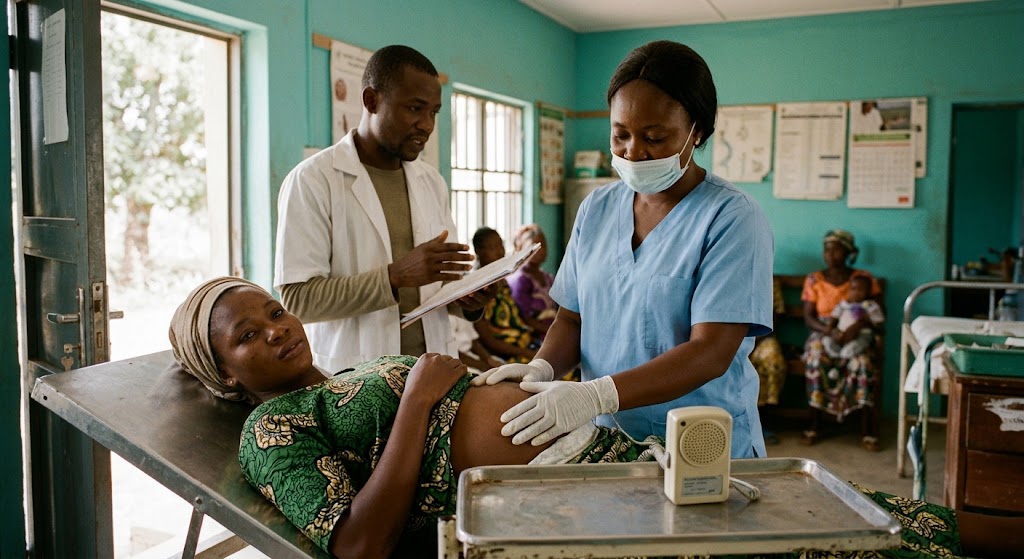
Pregnancy is often described as one of the most beautiful experiences in a woman’s life. However, behind the excitement of expecting a child are physical, emotional and medical challenges that require proper attention. For many Nigerian women, the journey from pregnancy to childbirth is not only about preparing for a new baby but also about navigating a healthcare system where access to quality maternal care remains a serious concern.
Across Nigeria, women continue to face difficulties accessing affordable antenatal services, skilled birth attendants, emergency obstetric care and postnatal support. While some pregnant women receive appropriate medical attention throughout pregnancy and delivery, others struggle with long distances to healthcare facilities, inadequate medical equipment, financial difficulties and shortages of trained healthcare professionals.
The consequences can be devastating. Complications that could be detected early and managed successfully sometimes become life-threatening because women arrive at healthcare facilities too late or cannot access the necessary treatment.
Nigeria has made efforts to improve maternal health through government programmes, public health campaigns and partnerships with international organisations. Nevertheless, the gap between healthcare policies and the actual experiences of women in many communities remains a major challenge.
Nigeria’s Maternal Health Statistics Raise Concern
Maternal mortality remains one of the most important public health challenges facing Nigeria.
According to the World Health Organization’s health systems data, Nigeria recorded an estimated maternal mortality ratio of approximately 993 deaths per 100,000 live births in 2023.
This figure highlights the scale of the problem and the need for stronger interventions to protect women during pregnancy, childbirth and the period immediately after delivery.
The 2024 Nigeria Demographic and Health Survey also provides insight into the country’s maternal healthcare situation.
According to figures released by the Federal Ministry of Health and Social Welfare, antenatal care coverage stands at 63 per cent, while skilled birth attendance is approximately 46 per cent. Postnatal care within two days of delivery stands at 42 per cent.
These figures reveal an important gap. Although more women are accessing antenatal services, a considerable proportion still do not have skilled medical assistance during childbirth.
Attending antenatal clinics is important, but maternal healthcare should not end there. Women also need access to safe delivery services, emergency treatment when complications arise and proper medical attention after giving birth.
The challenge is therefore not simply getting pregnant women into hospitals. It is ensuring that they receive appropriate care throughout the entire maternity journey.
The Cost of Giving Birth Is Becoming a Burden for Many Families
One of the biggest obstacles to accessing quality maternal healthcare in Nigeria is the cost of medical services.
For families already struggling with the rising cost of food, transportation, accommodation and other basic necessities, paying for pregnancy-related medical expenses can become overwhelming.
Although some public hospitals provide subsidised services, patients may still have to pay for laboratory investigations, medications, scans, medical supplies and other procedures.
The situation becomes more difficult when an emergency occurs.
A woman who develops complications during labour may require an emergency Caesarean section, blood transfusion or specialised medical attention. These interventions can be expensive, particularly when the family does not have health insurance or enough money readily available.
In some situations, families struggle to raise money before treatment can proceed, creating dangerous delays.
This is why financial protection should be considered an essential part of maternal healthcare.
Pregnancy-related emergencies cannot always be predicted, and access to life-saving treatment should not depend entirely on a family’s financial circumstances.
Expanding health insurance coverage and strengthening government-supported maternal healthcare programmes could help reduce the financial burden on pregnant women.
Rural Communities Face Greater Healthcare Difficulties
Where a woman lives can significantly influence the kind of maternal healthcare she receives.
In major cities such as Lagos, Abuja, Port Harcourt and Enugu, pregnant women may have access to several hospitals, maternity centres and private healthcare providers.
However, the situation is different in some rural communities where healthcare facilities are limited or located far from residential areas.
Some women have to travel considerable distances to attend antenatal appointments or deliver their babies in properly equipped facilities.
Transportation can become a serious problem, particularly when labour begins unexpectedly or complications develop during pregnancy.
In communities where roads are poor and public transportation is unreliable, reaching a hospital quickly may be difficult.
Even when a woman eventually arrives at a healthcare facility, the hospital may lack the necessary equipment, medications or specialists required to manage complicated deliveries.
This creates a situation where physical access to a healthcare facility does not necessarily guarantee access to quality medical attention.
Improving rural healthcare infrastructure, providing functional maternity units and ensuring that emergency transportation is available could help address this problem.
Shortage of Skilled Healthcare Professionals
Maternal healthcare requires trained professionals who understand how to monitor pregnancies, identify complications and respond appropriately during childbirth.
Doctors, nurses, midwives and other trained healthcare workers play important roles in protecting mothers and newborn babies.
However, shortages and unequal distribution of healthcare professionals continue to affect service delivery in different parts of Nigeria.
Some facilities operate with limited staff, leaving healthcare workers responsible for large numbers of patients.
This can increase waiting times, reduce the attention available to individual patients and place additional pressure on medical personnel.
The situation becomes particularly concerning when several women require emergency obstetric care at the same time.
Maternal emergencies require prompt decisions. Delays in recognising complications or providing appropriate treatment can have serious consequences.
Nigeria therefore needs sustained investment in training, recruitment and retention of skilled healthcare professionals.
Midwives, in particular, are essential to improving maternal outcomes because they provide antenatal education, monitor labour, support normal deliveries and identify warning signs that require specialist intervention.
Encouraging more young people to pursue midwifery and other maternal healthcare professions, while improving working conditions, could strengthen the country’s healthcare workforce.
Why Antenatal Care Should Never Be Ignored
Antenatal care is one of the most important parts of a healthy pregnancy.
It provides an opportunity for healthcare professionals to monitor the health of the mother and developing baby, identify possible complications and offer appropriate medical advice.
During antenatal visits, healthcare workers may check blood pressure, assess weight, request blood and urine investigations, monitor foetal development and provide important preventive interventions.
Conditions such as pregnancy-related hypertension, anaemia, infections and gestational diabetes may require early detection and management.
Some women mistakenly believe antenatal care is only necessary when they experience unusual symptoms.
However, certain pregnancy complications can develop without obvious warning signs during the early stages.
A woman may feel physically comfortable and still have a condition that requires medical attention.
The World Health Organization recommends a minimum of eight antenatal contacts during pregnancy to improve maternal and newborn outcomes.
Starting antenatal care early also gives women an opportunity to receive information about nutrition, birth preparedness, breastfeeding and possible pregnancy complications.
Importantly, antenatal attendance should not be treated as a substitute for skilled delivery and postnatal care. All stages are connected.
Preventable Pregnancy Complications Continue to Claim Lives
Several medical conditions contribute to maternal deaths in Nigeria, and many can be managed successfully when appropriate treatment is available on time.
One major cause is postpartum haemorrhage, which refers to excessive bleeding after childbirth.
Severe bleeding can develop rapidly and may become life-threatening without immediate medical intervention.
Hypertensive disorders of pregnancy, including pre-eclampsia and eclampsia, are another major concern.
These conditions can cause serious complications for both mother and baby if they are not recognised and treated promptly.
Infections during pregnancy and after delivery can also lead to severe illness.
Other complications include obstructed labour, complications arising from unsafe abortion and severe anaemia.
The challenge is not necessarily the absence of medical knowledge about these conditions. In many cases, the problem is that women cannot access the right treatment at the right time.
Hospitals need functional emergency obstetric services, trained personnel, blood transfusion capacity, essential medicines and reliable referral systems.
A woman experiencing severe bleeding during childbirth should not have to move between several facilities searching for a hospital capable of providing emergency treatment.
Cultural Beliefs and Misinformation Also Influence Maternal Health
Beyond financial and infrastructural challenges, social and cultural factors can influence decisions about pregnancy and childbirth.
In some communities, traditional beliefs and misinformation affect how women approach antenatal care, delivery and medical treatment.
Some pregnant women may rely exclusively on traditional birth attendants without understanding the importance of skilled medical supervision.
Traditional birth attendants may provide emotional support and assistance within their communities, but they may not have the training, equipment or resources needed to manage serious obstetric emergencies.
There are also situations where women delay seeking medical attention because family members believe certain pregnancy symptoms are normal or should be managed at home.
Fear, embarrassment and concerns about how healthcare workers may treat them can also discourage women from visiting hospitals.
Public health education must therefore be delivered in ways that respect communities while providing accurate medical information.
Husbands, partners, relatives, religious leaders and community leaders can also play important roles in encouraging pregnant women to seek professional healthcare.
Maternal health should not be treated as a responsibility that belongs to women alone. Families and communities have a role in supporting safe pregnancy and childbirth.
The Importance of Respectful Maternity Care
Access to a hospital does not automatically mean a woman will receive quality healthcare.
The experience women have during pregnancy and childbirth can influence whether they return for future medical appointments.
Some women report experiencing verbal abuse, discrimination, neglect or poor communication during maternity care.
Others complain about long waiting times, inadequate attention and the absence of privacy during examinations.
Such experiences can create fear and discourage women from seeking professional care, even when they understand its importance.
Respectful maternity care means treating every woman with dignity, protecting her privacy, explaining medical procedures and involving her in decisions about her healthcare.
Healthcare professionals should understand that childbirth can be physically demanding and emotionally stressful.
A woman experiencing labour needs competent medical attention, but she also deserves patience, reassurance and respectful communication.
Improving the quality of maternity services should therefore involve more than purchasing hospital equipment. It should also include training healthcare workers on professional conduct, communication and patient-centred care.
Government Introduces Measures to Reduce Maternal Deaths
Recognising the scale of maternal mortality in Nigeria, the Federal Government has introduced initiatives aimed at improving access to life-saving maternal healthcare.
One of the major interventions is the Maternal Mortality Reduction Innovation and Initiatives programme, commonly known as MAMII.
The programme is designed to reduce preventable maternal deaths by strengthening healthcare services in high-burden local government areas.
According to the Federal Ministry of Health and Social Welfare’s State of Health of the Nation Report 2024, the initiative targets 172 local government areas that account for more than half of maternal deaths in the country.
Its approach includes strengthening primary healthcare facilities, improving community engagement and encouraging pregnant women, particularly those considered high-risk, to access skilled birth services.
The initiative also seeks to address financial barriers that prevent women from receiving essential maternal healthcare.
The Basic Health Care Provision Fund is another important intervention intended to improve access to essential healthcare services, particularly at the primary healthcare level.
These programmes represent important steps towards improving maternal health.
However, their long-term impact will depend on effective implementation, adequate funding, proper monitoring and the availability of trained personnel and essential medical supplies.
Policies must translate into functioning healthcare services that women can access when they need them.
Why Postnatal Care Is Just as Important as Pregnancy Care
One aspect of maternal healthcare that sometimes receives less attention is the period after childbirth.
Many families concentrate their preparations on pregnancy and delivery, assuming that once the baby is born, the most difficult part is over.
However, the weeks following childbirth are also medically important.
Women may experience excessive bleeding, infections, blood pressure complications and other conditions that require medical attention.
Postpartum depression and other emotional difficulties can also affect some mothers.
Newborn babies equally require medical monitoring, breastfeeding support, immunisation and assessment for possible health complications.
The World Health Organization recommends that mothers and newborns receive postnatal care within the first 24 hours after birth, with additional contacts during the following weeks.
Proper postnatal care allows healthcare professionals to identify problems early and provide appropriate support.
Families should therefore understand that hospital care should not end immediately after delivery.
What Needs to Change
Improving maternal healthcare in Nigeria requires a coordinated approach involving government institutions, healthcare providers, communities and families.
First, primary healthcare facilities must be strengthened to provide reliable antenatal, delivery and postnatal services.
This includes functional equipment, essential medicines, trained midwives and access to emergency referral services.
Second, financial barriers must be reduced. Expanding health insurance and properly implementing free or subsidised maternal healthcare programmes could make essential services more accessible.
Third, healthcare professionals need better working conditions, continuous training and adequate staffing.
A healthcare system cannot deliver quality maternal services when its workers are overwhelmed and facilities lack basic resources.
There is also a need for stronger public health education, particularly in rural communities where misinformation and limited access to health information may influence healthcare decisions.
Finally, accountability must improve. Government agencies should regularly assess maternal healthcare programmes, monitor service quality and ensure that allocated resources produce measurable improvements.
Maternal Healthcare Is an Investment in Nigeria’s Future
The discussion about maternal healthcare should go beyond hospital statistics and government announcements.
Behind every maternal death is a woman whose life, family and future have been affected.
Many pregnancy-related deaths are preventable when women receive timely and appropriate medical attention.
Improving maternal healthcare also benefits newborn babies, families and the wider society. When mothers survive pregnancy and childbirth in good health, families are better positioned to care for their children and participate in economic and social activities.
Nigeria has made commitments towards reducing maternal mortality, but achieving meaningful progress will require sustained action.
The country needs healthcare facilities that are accessible, affordable, adequately equipped and staffed by competent professionals.
Most importantly, women should not have to choose between paying for essential healthcare and meeting other basic household needs.
Pregnancy should not become a life-threatening experience simply because a woman cannot afford medical attention or lives too far from a properly equipped hospital.
The real measure of progress will not be the number of maternal health programmes announced but the number of women who can safely access quality care before, during and after childbirth.
Every mother deserves the opportunity to give birth safely, and access to quality maternal healthcare should be a basic priority rather than a privilege.