
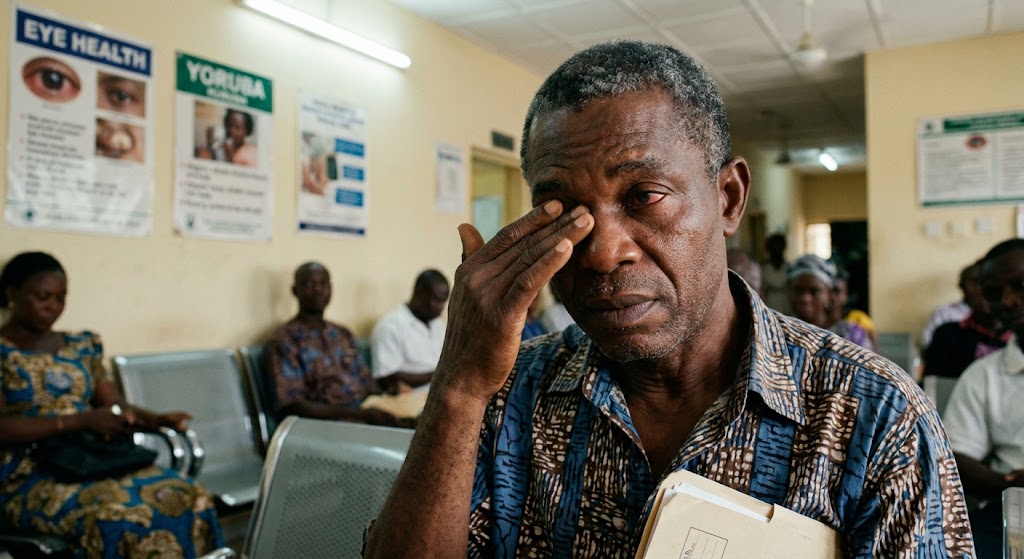
Have you ever imagined losing your sight without knowing that something was wrong with your eyes? This is one of the reasons glaucoma deserves more attention.
Glaucoma is an eye condition that can gradually damage your vision without causing noticeable symptoms at the beginning. Some people continue with their daily activities, unaware that damage is occurring to the nerve responsible for carrying visual information from their eyes to their brain.
The worrying part is that once glaucoma causes permanent vision loss, the damage generally cannot be reversed. However, early diagnosis and proper treatment can help protect the vision you still have.
Understanding this condition is important because taking care of your eyes should not begin only when you notice a problem.
In this article, JulianDailyGist explains what glaucoma is, the symptoms to watch out for, who is at risk, and what you can do to protect your eyesight.
What Is Glaucoma?
Glaucoma is a group of eye diseases that damage the optic nerve. This nerve plays an important role in helping you see because it carries information from your eyes to your brain.
One major risk factor is increased pressure inside the eye. The eye naturally produces a clear fluid that circulates through the front part of the eye and drains away through tiny channels. When this fluid does not drain properly, pressure may build up.
Over time, this pressure can damage the optic nerve.
However, glaucoma can also develop in people whose eye pressure is within the normal range. This means that measuring eye pressure alone is not enough to determine whether someone has the condition.
Glaucoma can affect people of different ages, although the risk increases with age. Without appropriate treatment, it can lead to serious and permanent vision loss.
What Are the Symptoms of Glaucoma?
One of the most concerning things about glaucoma is that it may not cause obvious symptoms in its early stages.
A person may continue reading, working, cooking and carrying out other daily activities without realising that their eyesight is gradually being affected.
As the condition progresses, some people begin to experience a gradual loss of peripheral vision. This is the ability to see objects around the edges of your visual field without turning your head.
In advanced cases, the person may develop tunnel vision, making it difficult to see objects outside the central area of their vision.
Other symptoms depend on the type of glaucoma involved.
A sudden attack of angle-closure glaucoma can cause severe eye pain, redness, blurred vision, rainbow-coloured rings around lights, headache, nausea and vomiting.
If you suddenly experience severe eye pain with redness, blurred vision or nausea, seek emergency medical care immediately. This can be a sight-threatening emergency.
Because the common form of glaucoma may develop without warning signs, waiting until your vision becomes blurry before visiting an eye specialist is not advisable.
Who Is at Risk of Developing Glaucoma?
Although glaucoma can affect anyone, certain factors can increase a person’s chances of developing it.
Age: The risk generally increases as people grow older. However, younger adults and children can also develop certain forms of glaucoma.
Family history: If your parents, brothers, sisters or other close relatives have glaucoma, you may have a higher risk of developing the condition yourself.
African ancestry: People of African ancestry have an increased risk of certain types of glaucoma, particularly primary open-angle glaucoma. In some cases, the disease may develop at a younger age.
Diabetes: Diabetes is associated with an increased risk of several eye conditions, including some forms of glaucoma.
Eye injuries: Previous injuries to the eye can sometimes increase the risk of developing glaucoma.
Long-term use of corticosteroids: Certain steroid medicines can increase eye pressure in susceptible people, particularly when used over a long period.
Having one or more of these risk factors does not mean you will definitely develop glaucoma. However, knowing your risk can help you and your eye specialist decide when examinations should begin and how frequently they should be repeated.
Why You Should Not Wait Until Your Eyes Hurt
Many people assume that a health problem will always produce pain or other obvious warning signs. Unfortunately, that is not how glaucoma usually behaves.
Open-angle glaucoma, a common form of the disease, often develops slowly and painlessly.
By the time a person notices changes in their vision, some damage may already have occurred.
This is why comprehensive eye examinations are important, especially for people who have a family history of glaucoma or other risk factors.
During an examination, an eye care professional can assess your eye pressure, examine your optic nerve and perform other tests to check for signs of damage.
Depending on your circumstances, the specialist may also recommend a visual field test to determine whether your peripheral vision has been affected.
A proper examination is more reliable than trying to determine the health of your eyes based on how clearly you can see.
Can Glaucoma Be Treated?
Yes. Although glaucoma cannot currently be cured, treatment can help slow or stop further damage to the optic nerve.
The main goal is to protect the vision that remains and reduce the risk of further sight loss.
The treatment recommended depends on the type of glaucoma, the extent of the damage and how the person’s eyes respond to treatment.
Prescription Eye Drops
Eye drops are commonly used to lower pressure inside the eye. Some reduce the amount of fluid the eye produces, while others help the fluid drain more effectively.
If an eye specialist prescribes these medicines, they should be used exactly as directed.
Stopping treatment without medical advice can allow eye pressure to rise and increase the risk of further damage.
Laser Treatment
Laser procedures can help improve fluid drainage or reduce pressure inside the eye.
An eye specialist will determine whether laser treatment is appropriate based on the type and severity of the condition.
Surgery
In some cases, surgery may be recommended when eye drops or laser treatment do not adequately control the condition.
Surgical procedures can help improve fluid drainage and reduce pressure inside the eye.
It is important to understand that treatment generally cannot restore vision already lost because of glaucoma. This is one reason early diagnosis makes such a difference.
How Can You Protect Your Eyesight?
Although there is no guaranteed way to prevent glaucoma, there are practical steps you can take to protect your vision.
Make eye examinations a priority. Do not wait until you notice a problem before visiting an eye care professional. Ask how frequently you should be examined based on your age and risk factors.
Know your family history. If glaucoma runs in your family, tell your eye specialist. This information can help guide your screening schedule.
Take prescribed medication seriously. If you have glaucoma, follow your treatment plan and attend your appointments, even when your eyes feel normal.
Avoid self-medication. Do not use steroid eye drops or unverified herbal preparations without appropriate medical guidance. Some medicines can increase eye pressure, and untested substances may harm your eyes.
Pay attention to sudden changes. Severe eye pain, redness, blurred vision, halos around lights or nausea require urgent assessment, especially when they occur together.
Manage other health conditions. If you have diabetes or another condition that may affect your eyes, follow your healthcare provider’s advice about monitoring your eye health.
These steps cannot guarantee that you will never develop glaucoma, but they can help you identify problems earlier and receive appropriate care.
Why Glaucoma Awareness Matters in Nigeria
Eye health deserves more attention in our homes, workplaces and communities.
Some people visit an eye specialist only when their vision becomes noticeably poor. Others may assume that if they can still read, use their phones or perform their jobs, their eyes must be healthy.
Glaucoma shows why this assumption can be dangerous.
Because the condition may progress without obvious symptoms, people can lose valuable time before receiving a diagnosis.
Awareness can encourage more people to seek appropriate eye examinations, particularly those with a family history of glaucoma or other risk factors.
It is also important for people who have already been diagnosed to understand that treatment and follow-up appointments remain necessary even when they feel no pain.
Protecting your eyesight requires more than reacting to symptoms. Sometimes, it means checking for a problem before you realise it exists.
When Should You See an Eye Specialist?
You should arrange a comprehensive eye examination if you have a family history of glaucoma, have previously been told that your eye pressure is elevated, or have other recognised risk factors.
You should also seek an assessment if you notice changes in your peripheral vision or have concerns about your eyesight.
However, if you suddenly develop severe eye pain, a red eye, blurred vision, halos around lights or nausea, do not wait for a routine appointment. Seek emergency medical care immediately.
Early assessment can make a significant difference in protecting your remaining vision.
Glaucoma is a serious eye condition because it can damage your vision gradually, sometimes without causing any noticeable symptoms at first.
Although the condition cannot currently be cured, early diagnosis and appropriate treatment can help preserve the sight you still have.
The most important thing to remember is that you do not have to wait until your vision becomes poor before taking your eye health seriously.
If you have not had an eye examination in a while, consider making an appointment with a qualified eye care professional, particularly if you have risk factors for glaucoma.
Your eyesight is valuable. Taking care of it today may help protect your vision for years to come.
Have you ever had a comprehensive eye examination? Share this article with your family and friends to help more people understand the importance of eye health.
Medical Disclaimer
This article is intended for general health education and should not replace professional medical advice, diagnosis or treatment. Seek urgent medical attention if you experience sudden severe eye pain or sudden changes in vision.