
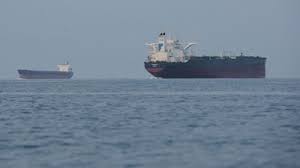
Iran’s vow not to reopen the Strait of Hormuz — so long as a US naval blockade remained in place — held into Thursday despite a ceasefire extension, as the Gulf nation announced the seizure of two ships attempting to cross the strategic waterway.
US Central Command (CENTCOM) said late Wednesday that it had also “directed 31 vessels to turn around or return to port” as part of what it described as its own “blockade against Iran.”
As the clock ticked toward a possible return to war in the region, US President Donald Trump said on Tuesday that he would maintain the truce to allow more time for Pakistani-brokered peace talks.
Iran said it welcomed Pakistan’s efforts but made no further comment on Trump’s announcement.
“A complete ceasefire only has meaning if it is not violated through a naval blockade,” said Iranian parliament speaker Mohammad Bagher Ghalibaf, who led Tehran’s delegation in the first round of talks in Islamabad.
“Reopening the Strait of Hormuz is not possible amid a blatant violation of the ceasefire.”
Oil prices jumped about four percent before easing on Thursday after Iran reiterated its position on keeping the Strait of Hormuz closed while the US blockade remained in place.
At around 0025 GMT, the benchmark US crude West Texas Intermediate (WTI) rose 4.06 percent to $96.73 per barrel, while Brent North Sea crude gained 3.62 percent to $105.63. Both benchmarks later eased.
Trump said he wanted to give Iran’s “fractured” leadership time to come up with a proposal, in what observers saw as a possible effort to avoid renewed conflict.
He told the New York Post that talks could resume in Pakistan within two to three days, although Iran has not confirmed participation. US Vice President JD Vance reportedly postponed his planned trip to Islamabad on Tuesday.
Trump also claimed that, at his request, Iran had halted alleged plans to execute eight women arrested over mass anti-government protests in the weeks preceding the escalation.