
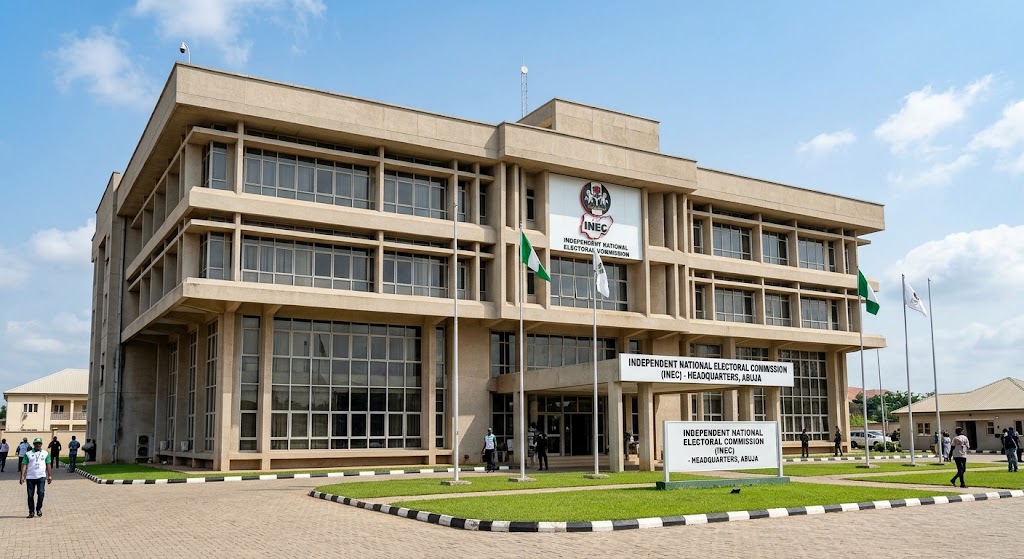
As Nigeria prepares for the 2027 general election, attention is gradually shifting towards the candidates, political parties and issues that will shape the country’s future.
For millions of Nigerians, the election represents an opportunity to decide who will lead the country and how important national challenges should be addressed. From the rising cost of living to insecurity, unemployment and access to healthcare, voters have several issues to consider before making their choices.
However, elections are not only about political campaigns, rallies and promises. They are also an opportunity for citizens to examine the records of political leaders, compare their plans and decide which candidates offer realistic solutions to the country’s problems.
With the Independent National Electoral Commission (INEC) preparing for the polls, Nigerians need reliable information to participate effectively in the electoral process.
Here are some of the major issues voters should watch as the country approaches the 2027 general election.
1. The Economy and the Cost of Living
The economy is likely to remain one of the most important issues for Nigerian voters in 2027.
Across the country, many households and businesses are concerned about the cost of food, transportation, housing, electricity and other essential needs. For families struggling to manage their income, economic policies are not simply political discussions; they directly affect their daily lives.
Voters will want to understand what candidates intend to do to improve living conditions, support businesses and create an environment where people can earn a decent living.
Rather than focusing only on campaign promises, Nigerians should examine the economic plans presented by candidates. Do their proposals explain how they intend to achieve their goals? Do they address inflation, productivity, public spending and employment? Are their plans realistic and supported by clear policies?
These are important questions because a campaign promise is not the same as a practical plan.
2. Insecurity and the Protection of Lives
Security remains another major concern for many communities across Nigeria.
Banditry, kidnapping, terrorism, communal violence and other forms of crime have affected lives, livelihoods and economic activities in different parts of the country.
For farmers, insecurity can mean being unable to access their farmland. For traders and business owners, it can disrupt transportation, reduce customer traffic and increase operating costs. Families may also face uncertainty about their safety and the future of their communities.
During the election period, voters should pay attention to how candidates intend to improve security.
They should look beyond general promises to examine proposals involving intelligence gathering, policing, border security, conflict prevention, the welfare and training of security personnel, and support for communities affected by violence.
Candidates should also explain how they intend to address the underlying problems that allow criminal activities to continue.
Protecting lives and property is a fundamental responsibility of government, and voters deserve clear explanations of how candidates intend to meet that responsibility.
3. Unemployment and Opportunities for Young Nigerians
Nigeria has a large youth population, making employment and economic opportunities important issues ahead of the 2027 election.
Many young people are looking for stable jobs, opportunities to develop their skills and the resources to establish businesses. Others are exploring digital work, vocational training and entrepreneurship because conventional employment opportunities may be limited.
Voters should therefore examine what candidates are proposing to improve employment opportunities.
Will their policies encourage businesses to expand and employ more workers? What support will be available to small businesses? How will young people gain access to practical training, finance and opportunities in growing industries?
It is also important to distinguish between creating temporary jobs and developing an economy that can sustain employment over time.
Young Nigerians should not have to rely entirely on political promises made during campaign periods. They deserve to know how proposed policies will translate into practical opportunities.
4. Education and the Future of Nigerian Children
Education is another issue that deserves serious attention during the 2027 election.
The quality of education available to children and young adults affects their future employment opportunities, earning potential and ability to contribute to national development.
Voters should examine candidates’ plans for improving public schools, supporting teachers, providing learning materials and addressing barriers that prevent children from completing their education.
For students in higher institutions, issues such as affordability, academic stability, facilities and the connection between education and employment are also important.
Candidates should explain how they intend to improve education funding and ensure that public resources are used effectively.
Parents, teachers, students and other stakeholders should pay attention to specific proposals rather than relying on campaign slogans.
A strong education system requires more than promises. It needs sustained investment, proper planning and accountability.
5. Healthcare and Access to Medical Services
Healthcare should also be part of the national conversation ahead of the election.
Many Nigerians face challenges accessing affordable medical services, particularly when they require specialist treatment, emergency care or long-term medication. The cost of healthcare can place considerable pressure on households, especially those without adequate health insurance.
Voters should look at candidates’ plans for strengthening public hospitals, improving primary healthcare, supporting healthcare workers and making essential medicines more accessible.
Other important questions include how candidates intend to improve maternal and child healthcare, expand health insurance coverage and ensure that medical facilities have the equipment and personnel they need.
Healthcare policies should also address preventive services, health education and early detection of diseases.
Candidates who discuss healthcare should be prepared to explain how their plans will be funded and implemented.
6. Electricity, Infrastructure and the Cost of Doing Business
Reliable electricity, good roads, clean water and effective transportation systems are essential for economic growth.
For many Nigerian businesses, the cost of providing alternative electricity can make operations more expensive. Poor roads and transportation difficulties can also increase the cost of moving goods and services.
These challenges eventually affect consumers through higher prices and limited access to products.
Ahead of the 2027 election, voters should examine candidates’ infrastructure plans and consider whether they address the needs of ordinary people and businesses.
It is important to ask how proposed projects will be financed, how long they are expected to take and what systems will be used to monitor their implementation.
Large infrastructure announcements may attract attention, but the real value lies in projects that are completed, maintained and useful to the public.
7. The Credibility of the Electoral Process
The credibility of the election itself is another issue Nigerians should watch.
For citizens to trust the outcome of an election, they need confidence in the electoral process, the accuracy of voter information, the conduct of polling officials and the proper handling of results.
INEC is responsible for organising and conducting federal and state elections in Nigeria. Its preparations, communication and implementation of electoral rules will therefore be closely watched as the election approaches.
Voters should follow official announcements about registration, Permanent Voter Cards (PVCs), polling units, voting procedures and election dates.
They should also avoid relying on unverified social media posts that may contain incorrect information about electoral requirements or deadlines.
The commission’s official website, INEC Nigeria, provides election information and voter services.
A credible election also requires responsible behaviour from political parties, candidates, supporters, security agencies, observers and the media.
8. Political Promises Versus Track Records
During election campaigns, political parties and candidates often present plans for improving the country. However, voters should consider more than the promises made at rallies.
Where candidates have previously held public office, Nigerians can examine their records and compare their achievements with the commitments they made.
This does not mean that a candidate’s past alone determines what they will do in the future. However, their record can provide useful information about their approach to leadership, public spending and accountability.
For candidates seeking office for the first time, voters can examine their experience, policy proposals, public conduct and understanding of the responsibilities attached to the position they are seeking.
The key is to ask reasonable questions and evaluate available evidence.
Voters should also remember that the responsibilities of a president, governor, senator and member of a state or federal assembly are different. Understanding those differences can help people assess whether a candidate’s promises match the office they hope to occupy.
9. Fake News and Political Information on Social Media
Social media has become an important source of political information for many Nigerians.
Platforms such as Facebook, TikTok, WhatsApp and X allow people to share campaign messages, discuss public issues and follow developments in real time.
However, the same platforms can also spread false claims, misleading videos, fabricated quotations and unverified allegations.
As the 2027 election approaches, Nigerians should be careful about information shared online, particularly content designed to provoke anger or encourage hostility towards political opponents.
Before sharing a political story, users should check who published it, look for confirmation from reliable sources and compare it with official statements where appropriate.
A photograph or video may be genuine but presented with an incorrect date or context. Similarly, a widely shared claim is not necessarily true simply because many people are discussing it.
Responsible sharing of information can help voters make better-informed decisions and reduce unnecessary tension during the election period.
10. Peaceful Participation and Respect for Different Opinions
Political disagreements are common during elections, especially when people support different candidates or parties.
However, political differences should not become a reason for violence, threats or personal attacks.
Nigerians should be able to discuss candidates and public policies without feeling unsafe because of their political opinions.
Political parties and their supporters also have a responsibility to encourage peaceful participation and respect the rights of other citizens.
Voters should reject violence and intimidation, follow lawful voting procedures and report credible threats through appropriate channels.
Peaceful elections depend on the actions of many people, not only the electoral commission.
Every eligible voter has a role to play in ensuring that political competition does not damage relationships, communities or public safety.
What Nigerians Should Do Before the 2027 Election
As election preparations continue, eligible voters can take practical steps to prepare for the polls.
First, confirm your voter registration and PVC status through official INEC channels. If you need to update your details or transfer your registration, check the current rules and deadlines published by the commission.
Second, follow credible news organisations and official announcements for information about candidates, political parties and electoral procedures.
Third, take time to understand the responsibilities of the office you are voting for. The duties of a president are different from those of a governor or legislator, and each position requires different qualifications and responsibilities.
Fourth, compare candidates’ plans on issues that matter to you, including security, the economy, healthcare, education and employment.
Finally, avoid selling your vote or allowing threats, gifts or pressure to determine your decision. Your vote is an important part of your civic participation, and your choice should be based on your own assessment of the candidates and their policies.
When Will Nigeria Hold the 2027 General Election?
According to INEC’s revised election timetable, the presidential and National Assembly elections are scheduled for Saturday, January 16, 2027, while the governorship and State House of Assembly elections are scheduled for Saturday, February 6, 2027.
Voters should continue to monitor official announcements in case any lawful changes or additional instructions are issued. The latest timetable and election updates are available through INEC’s official website.
Nigeria’s 2027 general election will be an important moment for citizens to consider the country’s direction and the kind of leadership they want.
The issues facing the country are complex, and no single candidate or political party can solve every problem overnight. However, voters can ask clear questions, examine available evidence and assess whether proposed policies offer practical ways to address the challenges Nigerians face.
The election should be about more than political slogans, party loyalty or the popularity of individual candidates. It should also be an opportunity to discuss public services, economic opportunities, security, accountability and the future of the country.
Every eligible voter should make an effort to understand the issues, verify information and participate peacefully.
Ultimately, an informed electorate is better positioned to evaluate political choices and hold elected leaders accountable for their promises.
As Nigeria moves towards the 2027 general election, the question for voters is not only who wants to lead the country, but also what each candidate intends to do and how their promises will be delivered.


