
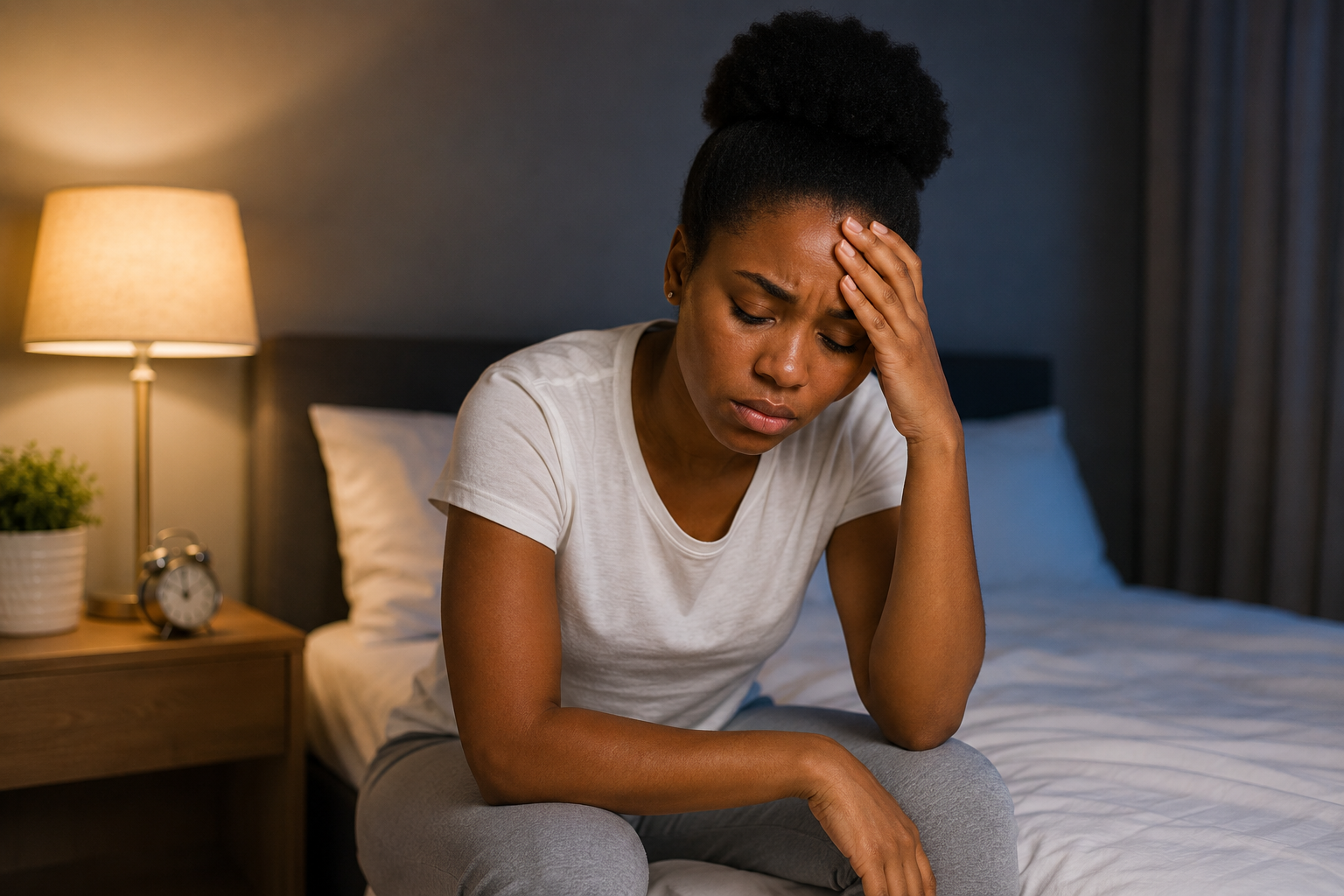
We’ve all done it.
You tell yourself you’ll go to bed early, but one episode turns into three. You spend a little longer on socialmedia than you planned, reply to a few messages, or decide to finish one last task. Before you know it, it’s 2 a.m., and your alarm is only a few hours away.
The next morning, you drag yourself out of bed, grab a cup of coffee, and hope you’ll somehow make it through the day.
Sound familiar?
Most people think the biggest consequence of not sleeping well is feeling tired. While that’s true, it’s only part of the story. Sleep is one of the most important things your body needs to stay healthy. Every night, while you’re resting, your body is busy repairing tissues, balancing hormones, strengthening your immune system, and preparing you for the next day.
When you don’t get enough quality sleep, those important processes are interrupted. At first, the effects may seem small, but over time, poor sleep can affect almost every part of your body.
Your Brain Feels the Difference First
One of the first things you’ll notice after a bad night’s sleep is that your brain doesn’t seem to cooperate.
You forget little things, lose your train of thought, and struggle to stay focused. Even simple tasks can take longer than usual because your mind feels foggy.
That’s because your brain uses sleep to organize memories and process everything you’ve learned throughout the day. Without enough rest, it simply can’t perform at its best.
If you’ve ever walked into a room and forgotten why you went there, lack of sleep might have had something to do with it.
Your Mood Changes Without You Realizing It
Have you ever noticed that everything seems more annoying when you’re tired?
Someone cuts in front of you in traffic, your internet becomes slow, or someone asks you a simple question, and suddenly your patience disappears.
Sleep helps regulate the parts of your brain responsible for emotions. When you don’t sleep well, you’re more likely to feel irritable, anxious, stressed, or emotionally overwhelmed.
It’s one reason why people who regularly miss sleep often say they don’t feel like themselves.
Your Immune System Doesn’t Work as Well
When you’re sleeping, your body isn’t actually resting completely. Your immune system is busy producing the cells and proteins needed to fight infections.
If you’re constantly sleeping for only a few hours each night, your body’s defense system becomes weaker.
That’s why people who don’t get enough sleep often seem to catch colds more easily or take longer to recover when they become sick.
Sometimes, the best medicine really is a good night’s sleep.
Your Heart Pays Attention Too
Sleep isn’t just important for your brain—it’s important for your heart as well.
During healthy sleep, your heart rate and blood pressure naturally decrease, giving your cardiovascular system time to recover.
When sleep becomes a problem, your body produces more stress hormones, forcing your heart to work harder than it should.
Over time, consistently poor sleep may increase the risk of high blood pressure, heart disease, and stroke.
You Start Craving Foods You Normally Wouldn’t
Ever noticed that after sleeping poorly, all you want is something sweet or greasy?
That’s not your imagination.
Sleep affects the hormones that control hunger. Without enough rest, your body produces more of the hormone that makes you feel hungry and less of the one that tells you you’ve eaten enough.
As a result, you’re more likely to reach for snacks, sugary drinks, or fast food, even when you aren’t truly hungry.
Over weeks or months, this can contribute to unwanted weight gain.
Your Skin Starts Sending Signals
There’s a reason people talk about getting their “beauty sleep.”
Your skin repairs itself while you sleep. It replaces damaged cells, produces collagen, and recovers from everything it was exposed to during the day.
If you’ve been sleeping poorly, your mirror might tell the story before anyone else does.
Dark circles, puffy eyes, dull-looking skin, and frequent breakouts can all be signs that your body isn’t getting enough rest.
You Feel Drained All Day
A lack of sleep affects more than just your energy.
You may feel physically weaker, mentally slower, and less motivated to do things you normally enjoy.
Even a short walk or household chores can seem exhausting when your body hasn’t had enough time to recover overnight.
Coffee may help you stay awake for a while, but it can’t replace the benefits of quality sleep.
It’s Not Just About Feeling Tired
Many people ignore poor sleep because they think they’ll simply catch up over the weekend.
Unfortunately, it doesn’t always work that way.
When lack of sleep becomes a regular habit, it can affect your blood sugar, hormones, digestion, mental health, and even your long-term risk of chronic diseases.
That’s why health experts continue to emphasize that sleep is just as important as eating nutritious food and exercising regularly.
So, What Can You Do?
The good news is that improving your sleep often starts with simple habits.
Try going to bed at the same time every night, reduce screen time before bed, avoid too much caffeine late in the day, and make your bedroom a comfortable place to sleep.
You don’t have to make every change at once. Even small improvements can make a noticeable difference over time.
We live in a world where being busy is often celebrated, and sleep is sometimes treated as if it’s optional. But your body doesn’t see it that way.
Every hour of quality sleep is an investment in your health. It helps your brain think clearly, gives your heart a chance to rest, strengthens your immune system, and prepares you to face a new day with more energy.
So tonight, instead of telling yourself, “Just one more episode,” or “I’ll sleep later,” remember that your body has been working hard for you all day.
Give it the rest it deserves.
Because sometimes, one of the healthiest things you can do isn’t taking another supplement or trying a new diet—it’s simply getting a good night’s sleep.
Did you enjoy this article? Share it with your friends and family, and keep visiting Julian Daily Gist for practical health tips, wellness advice, and everyday information to help you live a healthier life.
Disclaimer: This article is intended for educational purposes only and should not replace professional medical advice. If you have persistent sleep problems or concerns about your health, consult a qualified healthcare provider.