
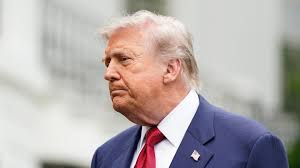
US President Donald Trump on Monday described Iran’s conditions for ending the Middle East war as “totally unacceptable,” raising fears of renewed conflict and pushing oil prices sharply higher in early Asian trading.
Iran had responded on Sunday to Washington’s latest peace proposal, warning that it would not hesitate to retaliate against any fresh US strikes or allow additional foreign warships into the Strait of Hormuz.
In a post on his Truth Social platform, Trump made it clear he was rejecting Tehran’s counterproposal, although he did not disclose its details.
“I have just read the response from Iran’s so-called ‘Representatives.’ I don’t like it — TOTALLY UNACCEPTABLE!” Trump wrote.
The deadlock rattled global energy markets, with international benchmark Brent crude rising 4.65 percent to $99.95 per barrel during Monday morning trading in Asia.
US benchmark West Texas Intermediate (WTI) crude also jumped more than four percent to $105.5 per barrel, as investors worried about further disruptions to oil supplies through the Strait of Hormuz, where Tehran has imposed a partial blockade.
Israeli Prime Minister Benjamin Netanyahu, whose forces alongside the United States launched the war against Iran on February 28, also insisted the conflict would continue until Iran’s nuclear facilities were dismantled.
“It’s not over, because there’s still nuclear material — enriched uranium — that has to be taken out of Iran. There’s still enrichment sites that have to be dismantled,” Netanyahu said during an interview with CBS’s “60 Minutes.”
Tehran has maintained a defiant stance amid diplomatic efforts to bring the warring parties back to the negotiating table.
“We will never bow down to the enemy, and if there is talk of dialogue or negotiation, it does not mean surrender or retreat,” Iranian President Masoud Pezeshkian posted on X on Sunday.
According to Iranian state broadcaster IRIB, Tehran’s response to the US proposal, delivered through Pakistani mediators, focused on ending the war “on all fronts, especially Lebanon,” where Israel has continued fighting Iran-backed Hezbollah, as well as “ensuring shipping security.”
Few additional details were provided, although reports suggest the US proposal centred on extending the Gulf truce to create room for negotiations over the broader conflict and Iran’s disputed nuclear programme.