 0
0
 0
0
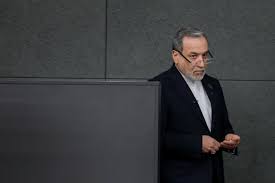
Iran’s Foreign Minister, Abbas Araghchi, on Friday, February 27, urged the United States to scale back what he described as “excessive demands” if both sides hope to reach a new agreement, following fresh negotiations in Geneva.
During a phone conversation with Egypt’s Foreign Minister, Badr Abdelatty, Araghchi said progress would depend on “seriousness and realism from the other side,” warning against miscalculations that could derail diplomatic efforts.
Although Araghchi did not specify which US demands he considered excessive, Washington has repeatedly highlighted Iran’s ballistic missile programme and uranium enrichment activities as key concerns.
US President Donald Trump said on Wednesday that Iran has already developed missiles capable of threatening Europe and American bases overseas, adding that Tehran is working toward longer-range capabilities.
US Secretary of State Marco Rubio also voiced concern, saying Iran is “not enriching right now, but they’re trying to get to the point where they ultimately can.” He criticised Tehran’s refusal to discuss its ballistic missile programme, describing it as “a big problem.”
Iran has consistently defended its missile programme as a legitimate component of its national defence and has rejected calls to halt uranium enrichment. Officials maintain that the country’s nuclear activities are strictly for peaceful purposes.
The United States and Iran, long-time adversaries, held their third round of Omani-mediated nuclear talks on Thursday in Geneva. The negotiations aim to ease tensions and prevent military escalation at a time when Washington is increasing its military presence in the region. Both Tehran and Oman, which is facilitating the dialogue, reported signs of progress. Technical discussions are scheduled to resume on Monday in Vienna, ahead of a fourth round of talks expected next week.