
Nigerian civil servants have something new to look forward to following the Federal Government’s approval of a ₦70,000 monthly transport allowance for public service workers for six months. The approval, reached during a meeting between the Federal Government and the Nigeria Labour Congress (NLC) on October 27, 2026, is part of efforts to ease the financial pressure workers are experiencing as transportation costs and the general cost of living continue to rise. But what exactly does this ₦70,000 transport allowance mean for civil servants? Is it an increase in monthly salaries? Will workers receive ₦70,000 every month, or is it a one-time payment? Here is what Nigerian workers should understand about the new arrangement. What Is the ₦70,000 Transport Allowance All About? The Federal Government approved a monthly transport intervention of ₦70,000 for public service workers across all levels for a period of six months, beginning in November 2026. The decision followed discussions between government representatives and organised labour over workers’ welfare, rising living costs and outstanding agreements. According to the memorandum of understanding reached at the meeting, the allowance is intended to provide temporary financial relief to workers struggling with the increasing cost of transportation. For many civil servants who spend a significant portion of their monthly income commuting to and from work, the intervention could provide some additional financial support. Is the ₦70,000 a Salary Increase? One important thing workers should understand is that the ₦70,000 transport allowance is not a permanent salary increase. It is a temporary financial intervention designed to support workers with transportation expenses. This means it should not be confused with the national minimum wage or a permanent adjustment to workers’ basic salaries. The allowance is scheduled to run for six months, from November 2026 to April 2027. Therefore, an eligible worker receiving the full allowance throughout the approved period would receive a total of ₦420,000. However, this is not a one-time payment of ₦420,000. It represents six separate monthly payments of ₦70,000. Who Is Expected to Benefit from the Allowance? The memorandum describes the transport intervention as applying across all levels of the public service. However, there are important distinctions regarding implementation. The agreement was reached between the Federal Government and the NLC. State and local governments were urged to adopt similar intervention measures for their workers. This means state and local government employees should not automatically assume that the Federal Government’s approval guarantees immediate payment in their respective jurisdictions. Their eligibility and payment arrangements may depend on decisions and implementation by the relevant state and local authorities. Workers should therefore follow official communications from their ministries, departments, agencies and relevant labour unions. When Will Payment Begin? According to the agreement, the transport allowance is scheduled to commence in November 2026 and continue for six months. However, the memorandum of understanding did not specify the exact payment date or whether the allowance would be paid alongside regular monthly salaries. This means workers may need further administrative clarification from the relevant authorities regarding the actual disbursement process. It is important to distinguish between the announced commencement date and the date the money eventually reflects in individual workers’ accounts. What About Other Allowances and Workers’ Welfare? The transport allowance was not the only issue discussed during the meeting between the Federal Government and organised labour. The government also approved payment of outstanding peculiar allowance arrears effective from May 1, 2026. According to the agreement, payment of these arrears will begin in November and be made in three equal monthly instalments. There was also an agreement concerning outstanding allowances owed to health workers. The government committed to clearing 19 months of health workers’ allowance arrears within three months, beginning in December 2026. Additionally, discussions were held on the proposed adjustment of the Consolidated Health Salary Structure (CONHESS), hazard allowances for agricultural officers and tax relief for workers. However, some of these issues still require further assessment, verification or administrative decisions. Does This Mean the National Minimum Wage Will Increase? No final agreement was reached on the effective date for implementing the national minimum wage arrangements discussed at the meeting. Both parties agreed to establish a Minimum Wage Negotiation Committee to continue discussions. Therefore, workers should understand that the ₦70,000 transport allowance is separate from the national minimum wage. The two payments serve different purposes and should not be treated as the same arrangement. What Does This Mean for the Average Civil Servant? For an average civil servant, an additional ₦70,000 monthly could help reduce some of the financial pressure associated with commuting to work. A worker who spends a substantial amount on daily transportation may find the intervention helpful in managing monthly expenses. It could also provide some breathing space for workers who have other financial responsibilities, including feeding, accommodation, children’s school fees and household bills. However, the allowance should be viewed as temporary support rather than a permanent solution to the challenges affecting workers’ purchasing power. With transportation costs, food prices and other household expenses continuing to influence the financial wellbeing of many Nigerian families, workers are still looking forward to broader improvements in wages and working conditions. Final Thoughts The Federal Government’s approval of a ₦70,000 monthly transport allowance is an important development in the ongoing discussions surrounding workers’ welfare in Nigeria. For eligible federal public service workers, the intervention provides an additional financial benefit for six months. However, questions surrounding the exact payment arrangements and implementation by state and local governments remain important. Civil servants should continue to follow official announcements from the government and their respective labour unions to understand how the agreement will affect them. After all, workers need more than announcements; they need clear implementation and timely payment of approved benefits.

What if one of the affordable foods you can add to your everyday diet could help support your immune system?

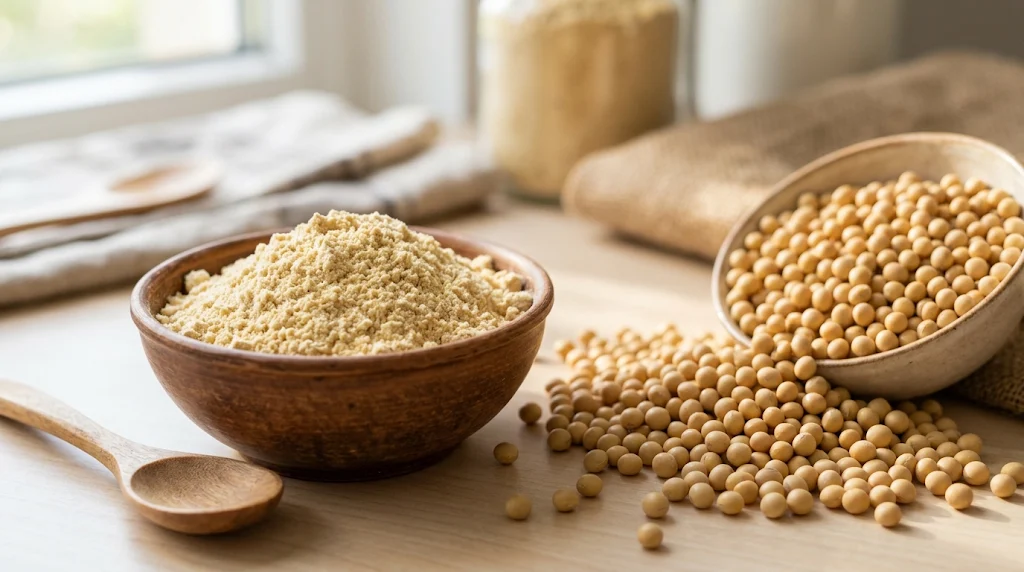
Soybeans are among the most nutritious plant-based foods available. Although they are commonly used to produce soy milk, tofu, soybean oil and other food products, many people do not fully understand their nutritional value.

Rich in plant-based protein, vitamins, minerals and beneficial plant compounds, soybeans can contribute to a healthy and balanced diet.

One of their important nutritional advantages is their ability to provide nutrients that support normal immune system function.

However, it is important to understand that soybeans are not a medicine or a magical immune booster. They do not prevent infections or cure diseases. Rather, they supply nutrients that help the body maintain its normal defence mechanisms.

Here are seven reasons why adding properly prepared soybeans to your diet may benefit your health.

1. Soybeans Provide Protein Needed for Immune Function

Protein is essential for the proper functioning of the human body, including the immune system.

The body uses amino acids, which are the building blocks of protein, to produce antibodies and other important immune-related substances.

Soybeans are particularly valuable because they contain complete plant protein, meaning they provide all nine essential amino acids that the body cannot produce on its own in sufficient amounts.

For people who consume little meat, fish or eggs, soybeans can be a useful way to improve their dietary protein intake.

2. They Contain Antioxidant Compounds

Soybeans contain naturally occurring plant compounds known as isoflavones.

These compounds have antioxidant properties and may help protect cells against oxidative stress.

Oxidative stress occurs when there is an imbalance between free radicals and the body’s ability to neutralise them.

Although antioxidants contribute to normal cellular protection, eating soybeans should not be viewed as a treatment for infections or other medical conditions.

3. They Supply Iron for Healthy Blood Function

Iron is an essential mineral required for the production of haemoglobin, the protein in red blood cells responsible for transporting oxygen around the body.

Soybeans provide plant-based iron, which contributes to meeting the body’s daily iron requirements.

Iron also plays a role in normal immune system function.

However, the iron found in plant foods is non-haem iron, which is generally less easily absorbed than the iron found in animal products.

Combining soybean meals with vitamin C-rich foods such as oranges, tomatoes, guava and peppers can help improve iron absorption.

4. They Contain Zinc That Supports Immune Health

Zinc is an important mineral involved in several biological processes, including normal immune function, wound healing and cell growth.

Insufficient zinc intake can affect the body’s ability to maintain a healthy immune response.

Soybeans contain zinc, making them a useful addition to a varied diet.

However, the amount of zinc the body absorbs from plant foods can be affected by compounds called phytates.

Proper food preparation, including soaking and cooking, can help reduce some of these compounds.

5. They Provide Fibre for Gut Health

Your gut does more than digest food. It also plays an important role in maintaining overall health and supporting the body’s immune system.

Soybeans contain dietary fibre, which supports bowel regularity and provides nourishment for beneficial gut bacteria.

A healthy gut microbiome contributes to normal digestive and immune functions.

Including fibre-rich foods such as soybeans, vegetables, fruits, beans and whole grains in your meals can help support digestive health.

Remember to increase fibre intake gradually and drink enough water to reduce digestive discomfort.

6. They Provide Important Vitamins and Minerals

Soybeans contain several nutrients that contribute to normal body functions.

Folate, which supports cell division and the formation of healthy red blood cells.

Magnesium, which supports muscle and nerve function.

Potassium, which helps regulate fluid balance and supports normal muscle function.

Vitamin K, which contributes to normal blood clotting and bone health.

A balanced supply of these nutrients helps the body maintain its normal physiological processes.

7. They Support Overall Nutritional Health

Good immune health depends on more than one food or nutrient.

The body needs adequate protein, vitamins, minerals, healthy fats, sufficient sleep and regular physical activity to maintain normal immune function.

Soybeans can contribute to this nutritional balance because they provide protein, fibre, healthy unsaturated fats and several essential minerals.

When included as part of a varied diet, they can support general nutritional wellbeing.

How Can You Include Soybeans in Your Everyday Diet?

The good thing about soybeans is that they can be prepared in different ways using ingredients commonly available in Nigerian markets.

Here are some options:

Homemade soy milk: Properly soak, cook and blend soybeans, then strain to produce soy milk. Ensure the beans are thoroughly cooked before consumption.

Soybean porridge: Cook soybeans until soft and combine them with other nutritious ingredients.

Soybean flour: Properly processed soybean flour can be added to certain meals to increase their protein content.

Soybean snacks: Roasted soybeans can serve as a protein-containing snack when prepared hygienically and consumed in reasonable portions.

Who Should Be Careful When Eating Soybeans?

Although soybeans are nutritious, they are not suitable for everyone.

People with soy allergies should avoid soy products because they can trigger allergic reactions.

Some individuals may also experience bloating, gas or digestive discomfort after consuming large quantities.

People taking thyroid medication such as levothyroxine should follow their healthcare provider’s advice about timing soy consumption, as soy foods can affect medication absorption when consumed too close to the dose.

As with other foods, moderation and dietary variety are important.

Soybeans are more than just an ingredient for making homemade soy milk. They are a valuable source of plant protein, fibre, iron, zinc and beneficial plant compounds.

While no single food can guarantee strong immunity or protect you from every infection, eating a balanced diet that includes nutritious foods such as soybeans can help provide the nutrients your body needs to function properly.

Instead of searching for expensive products advertised as immune boosters, start by paying attention to the quality of food you eat every day.

Sometimes, improving your nutrition begins with making better use of the affordable foods already available around you.

Julian Daily Gist Editorial Team

Julian Daily Gist Editorial Team is the team responsible for researching, writing, editing, and publishing news and feature content on Julian Daily Gist. Our coverage includes Nigerian current affairs, lifestyle, entertainment, sports, health, business, and human-interest stories. We aim to provide readers with timely, accurate, and responsibly sourced information. The Julian Daily Gist Editorial Team researches, writes, edits, and publishes news and feature content covering Nigerian current affairs, entertainment, sports, health, business, lifestyle, and human-interest stories. We aim to provide accurate, timely, and responsibly sourced information and update our reports when credible new information becomes available. The Julian Daily Gist Editorial Team is responsible for researching, writing, editing, and publishing content across Julian Daily Gist. Our coverage includes Nigerian current affairs, politics, business, entertainment, sports, health, lifestyle, and human-interest stories. We aim to provide readers with timely, accurate, useful, and responsibly sourced information. Our team makes reasonable efforts to verify important information, identify sources, distinguish allegations from confirmed facts, and update reports when credible new information becomes available. We also believe in transparency and accountability. Readers can contact our editorial team to report factual errors, request corrections, or provide additional information relevant to a published story. Editorial focus: News, current affairs, lifestyle, entertainment, sports, health, business, and human-interest stories. Team BIo: The Julian Daily Gist Editorial Team is responsible for researching, writing, editing, and publishing content across Julian Daily Gist. Our coverage includes Nigerian current affairs, politics, business, entertainment, sports, health, lifestyle, and human-interest stories. We aim to provide readers with timely, accurate, useful, and responsibly sourced information. Our team makes reasonable efforts to verify important information, identify sources, distinguish allegations from confirmed facts, and update reports when credible new information becomes available. We also believe in transparency and accountability. Readers can contact our editorial team to report factual errors, request corrections, or provide additional information relevant to a published story. Editorial focus: News, current affairs, lifestyle, entertainment, sports, health, business, and human-interest stories. Editorial Policy: At Julian Daily Gist, our goal is to provide readers with timely, useful, accurate, and responsibly presented news and information. We cover Nigerian current affairs, politics, business, entertainment, sports, health, lifestyle, human-interest stories, and other topics of interest to our readers. 1. Accuracy and Verification We make reasonable efforts to ensure that information published on Julian Daily Gist is accurate and presented in its proper context. Before publishing a report, our editorial team makes reasonable efforts to: - Check information against credible sources. - Verify names, dates, locations, figures, and other important details. - Attribute information to the appropriate source. - Distinguish confirmed facts from allegations, claims, opinions, and speculation. - Update stories when credible new information becomes available. When information cannot be independently verified, we make this clear to readers rather than presenting it as established fact. 2. Sources We use a range of sources, including: - Official government statements. - Police and security agencies. - Courts and legal documents. - Government agencies. - Direct interviews and statements. - Reputable news organizations. - Publicly available records. - Verified social media accounts and statements. When an article relies substantially on information reported by another publication, we aim to clearly attribute the information to that source. We do not intentionally present another publication's reporting as our own. 3. Originality Julian Daily Gist aims to provide original editorial value. When we report information that has already been published elsewhere, we seek to add value through original writing, context, verification, analysis, additional information, or other useful material. We do not intentionally copy and republish articles from other websites without appropriate attribution and meaningful editorial contribution. 4. Allegations and Sensitive Claims When reporting allegations involving individuals or organizations, we make reasonable efforts to clearly identify allegations as allegations. We avoid presenting unproven accusations as established facts. Where relevant, we seek or include responses from the person, organization, or representative concerned. For criminal matters, we recognize that an allegation, arrest, charge, or accusation does not by itself establish guilt. 5. Headlines Our headlines are intended to accurately reflect the content of our articles. We aim to avoid deliberately misleading headlines, fabricated claims, or headlines that exaggerate facts simply to generate clicks. 6. Corrections and Updates We take corrections seriously. If we discover that an article contains a significant factual error, we may correct or update the article as appropriate. Readers who identify an error are encouraged to contact us with specific information supporting the correction. Where appropriate, significant corrections or updates may be noted within the article. 7. Editorial Independence Editorial decisions are made independently of advertisers, sponsors, commercial partners, and other external interests. Advertising or sponsorship does not automatically influence our editorial decisions or the opinions expressed by our writers. 8. Sponsored and Promotional Content Where Julian Daily Gist publishes sponsored, paid, or promotional content, we aim to clearly identify it as such. Sponsored content does not necessarily represent the independent editorial views of Julian Daily Gist. 9. Conflicts of Interest Our editorial team should avoid situations where personal, financial, or other interests could improperly influence reporting. Where a relevant conflict of interest exists, we aim to disclose it when appropriate. 10. Use of Images and Other Media We aim to use images, videos, graphics, and other media responsibly and with appropriate permission, licensing, attribution, or other lawful basis where required. We do not knowingly use copyrighted material in a manner that infringes the rights of its owner. If you believe that material published on Julian Daily Gist infringes your copyright, please contact us so that we can review the matter. 11. Artificial Intelligence We may use technology and artificial intelligence tools to assist with certain editorial tasks, such as research support, proofreading, formatting, transcription, or drafting assistance. However, AI-generated information is not treated as automatically accurate. Content remains subject to human review, editing, fact-checking, and editorial judgment before publication where appropriate. We do not intentionally publish fabricated information generated by AI. 12. Privacy and Personal Information We take reasonable care when handling personal information and avoid publishing unnecessary private information about individuals. Sensitive personal information is published only when there is a legitimate public-interest reason and where appropriate. Our handling of visitor information is explained in our Privacy Policy. 13. Opinion and Commentary Opinion articles and commentary represent the views expressed by the respective writer or contributor. Where appropriate, opinion content will be identified as commentary, analysis, or opinion so that readers can distinguish it from straightforward news reporting. 14. User-Generated Content Comments and other material submitted by readers may be moderated. We reserve the right to remove content that is unlawful, defamatory, abusive, discriminatory, misleading, threatening, spam-related, or otherwise inappropriate. User comments do not necessarily represent the views of Julian Daily Gist. 15. Our Commitment We are committed to improving the quality, accuracy, transparency, and usefulness of Julian Daily Gist. As our publication grows, we will continue reviewing our editorial practices and updating this policy when necessary. 16. Contact and Corrections If you have a correction, clarification, complaint, copyright concern, or question about our editorial practices, please contact us through our Contact Us page.

You May Also Like

Leave a Reply

Your email address will not be published. Required fields are marked *