 0
0
 0
0
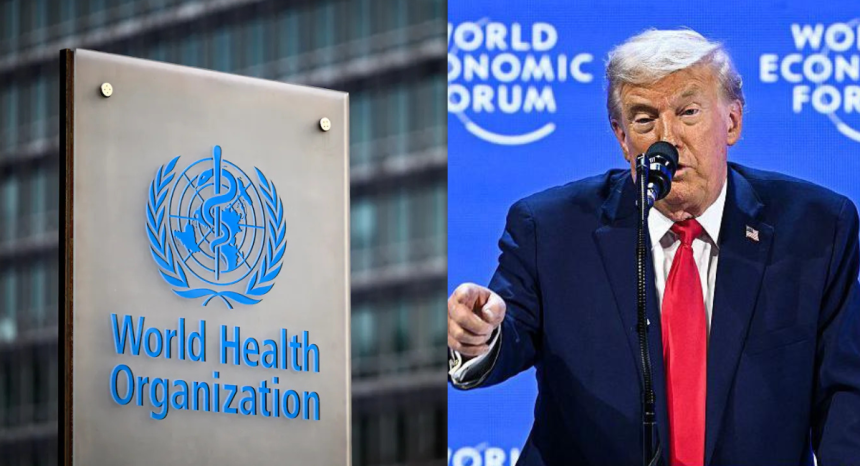
On Thursday, January 22, the United States will officially leave the World Health Organization (WHO), a move critics warn could harm both U.S. and global health efforts.
The decision has also sparked legal and financial concerns. Critics argue that U.S. law requires the country to pay $260 million in unpaid WHO fees before departing—a requirement that has not been met.
President Donald Trump first announced plans to withdraw the U.S. from the WHO on the first day of his 2025 presidency via executive order. Under U.S. law, the country must provide one year’s notice and settle outstanding financial obligations before leaving.
A State Department spokesperson defended the withdrawal, claiming the WHO’s handling of global health information has cost the U.S. trillions of dollars. The spokesperson also noted that the administration has paused any future U.S. contributions, support, or resources to the organization.
“The American people have paid more than enough to this organization, and this economic hit is beyond a down payment on any financial obligations to the organization,” the spokesperson said.
Global health leaders have expressed deep concern over the move. WHO Director-General Tedros Adhanom Ghebreyesus emphasized the global impact, stating,
“Withdrawing from the WHO is a loss for the United States, and it’s a loss for the rest of the world.”
The WHO confirmed that the U.S. has not paid its dues for 2024 and 2025. Member states will discuss the departure and its implications at the WHO executive board meeting in February.
Lawrence Gostin, founding director of Georgetown University’s O’Neill Institute for Global Health Law, criticized the withdrawal as a clear violation of U.S. law, though he suggested the administration might avoid legal consequences.
Meanwhile, Bill Gates, chair of the Gates Foundation, said he does not expect the U.S. to return to the WHO anytime soon, emphasizing the global need for the organization.
The U.S. exit has also created a financial crisis for the WHO. As Washington has historically been its largest contributor—providing roughly 18% of its budget—the organization has already cut its management team in half and plans to reduce staff by about 25% by mid-year.
While the WHO maintains that it has continued to share information and collaborate with the U.S. over the past year, it remains uncertain how future cooperation will unfold.
Experts warn that the U.S. withdrawal could weaken global health systems, making it harder to detect, prevent, and respond to emerging health threats worldwide.