
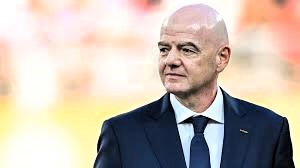
FIFA president Gianni Infantino has strongly defended the 2026 FIFA World Cup, hitting back at critics who questioned the tournament’s organisation and accusing them of focusing on negativity instead of celebrating football’s unifying power.
The tournament faced criticism over several issues, including visa complications, concerns about outside influence on FIFA decisions, and controversial refereeing and disciplinary decisions. However, Infantino has rejected those criticisms, insisting that the overall success of the competition was overshadowed by what he called unfair attacks and misinformation.
In a lengthy statement shared through his personal Instagram account and FIFA’s official platforms, Infantino argued that critics failed to recognise the positive moments created by the tournament.
“To all of you who missed watching kids, babies, grandparents, and parents come together for the beautiful game, I say sorry that the matches are now over and sorry that you missed all that joy and togetherness,” Infantino wrote.
He accused some journalists and commentators of spreading “hate and false rumours” while praising FIFA staff, volunteers, security teams, and host nations for delivering what he described as a historic event.
“While you are sitting behind, we at FIFA are on the front lines organising, working hard, and delivering the best show in the world,” he added.
FIFA President Defends Tournament Safety and Success
Infantino claimed the World Cup was a celebration of unity, pointing to the millions of fans who attended matches across host cities in Canada, Mexico, and the United States.
According to the FIFA president, the tournament welcomed around seven million spectators from more than 200 countries, with no major security incidents reported.
He thanked the governments of the three host nations, local authorities, police forces, and volunteers for their contribution to the competition’s success.
“Every city was packed with fans from all around the globe,” Infantino said, adding that football had brought people together despite political and social divisions.
Infantino Addresses Visa Controversy
The FIFA president also responded to criticism surrounding visa problems that prevented some individuals from attending the tournament.
He argued that attention had been placed on the small number of rejected applications rather than the millions of successful approvals that allowed fans, players, and officials from around the world to participate.
“You mentioned the few people denied visas and overlooked the millions who were approved, from all parts of the world,” Infantino wrote.
He said the tournament demonstrated football’s ability to connect people across borders and highlighted examples of teams from countries facing challenges being able to compete on the world stage.
FIFA Chief Responds to Refereeing and Disciplinary Criticism
Infantino also appeared to address criticism over controversial refereeing calls and disciplinary decisions during the competition.
One major talking point involved FIFA’s decision to suspend an automatic one-match suspension for U.S. striker Balogun after his red card against Bosnia-Herzegovina. The decision later led to accusations of possible political influence after former U.S. President Donald Trump revealed he had spoken with Infantino about the situation.
FIFA has maintained that the decision was made independently by its disciplinary committee.
Without directly mentioning the incident, Infantino defended FIFA’s disciplinary processes, saying disputed refereeing calls and unusual rulings are common in football.
He argued that similar decisions happen regularly in major domestic leagues and questioned why FIFA was being criticised for situations he described as part of the sport.
Infantino Calls for Football to Rise Above Division
In the closing part of his message, Infantino urged critics to focus on football’s ability to inspire hope and bring people together.
“This FIFA World Cup celebrated humanity at its best,” he wrote, praising teams from smaller nations for competing with confidence and giving their supporters reasons to dream.
He encouraged people to look beyond disagreements and recognise the emotional impact of the sport.
“To those spending their time and energy hating us, please take a moment to reflect, meditate, pray, or watch a football match and truly observe the faces, the eyes, the emotions,” Infantino said.
The FIFA president concluded by expressing pride in the tournament and the role football played in creating moments of happiness and unity.
“May football rise above all hate,” he wrote.