
 0
0
 0
0
Fresh concerns have emerged across the country over a potential increase in petrol prices after crude oil surged to $114 per barrel yesterday, driven by escalating tensions in the ongoing United States–Israel conflict with Iran.
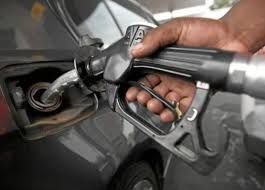
Already, petrol is being sold for between N1,200 and N1,400 per litre in parts of the country.
The Middle East crisis intensified on Wednesday following Israeli strikes on Iran’s South Pars gas field — the world’s largest natural gas reserve — prompting retaliatory attacks by Iran on energy facilities in Qatar and Saudi Arabia. The development is widely seen as a significant escalation in the conflict.
In response, US President, Donald Trump, warned that the United States could “entirely” destroy the South Pars facility if Iran continues its attacks on energy infrastructure in the region.
As a result, global energy prices surged, with crude oil rising sharply from $66 per barrel to $114 per barrel across international markets.
Checks by Vanguard yesterday showed that Brent crude climbed by 6.24 per cent to $114.08 per barrel — its highest level since May 2022 — while the United States West Texas Intermediate (WTI) crude increased by 0.97 per cent to $96.33 per barrel.
However, the price of liquefied petroleum gas (LPG), commonly known as cooking gas, remained relatively stable in parts of the domestic market as of yesterday.
In Abuja and Lagos, Vanguard findings revealed that cooking gas prices held steady despite volatility in the international market. Checks at two major retail outlets — NIPCO Gas and Shore Gas — showed prices at N1,100 per kilogram and N1,150 per kilogram, respectively.
In contrast, prices in the South-East and South-South regions rose to between N1,500 and N1,800 per kilogram.
How petrol prices spiked
Recall that supply disruptions triggered by the Middle East conflict have already impacted petrol prices in Nigeria. Prices now range between N1,267 and N1,300 per litre, depending on location and fuel station, compared to N730–N880 per litre at the onset of the crisis on February 28.