
 0
0
 0
0
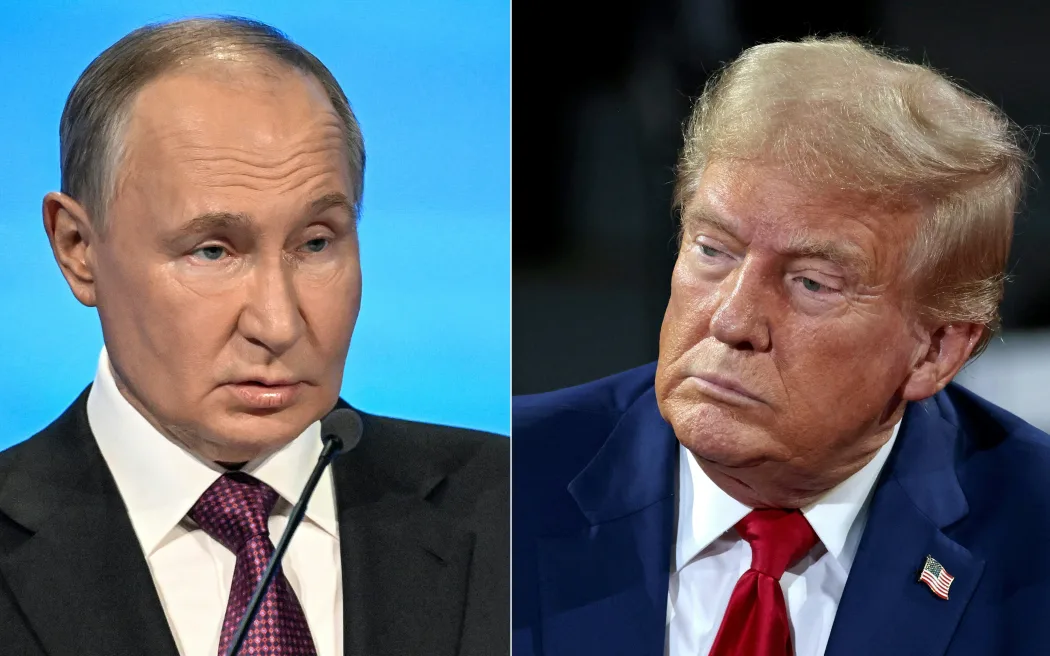
United States President Donald Trump has rejected a proposal from Russian President Vladimir Putin to voluntarily extend limits on the deployment of strategic nuclear weapons following the expiration of the New START treaty.
The original Strategic Arms Reduction Treaty (START) was signed in 1991 between the US and the Soviet Union. New START, concluded in 2010 under former US President Barack Obama and then-Russian President Dmitry Medvedev, was last extended in 2021 but has now formally lapsed. This leaves the world’s two largest nuclear powers without binding limits on their arsenals.
Speaking on Thursday, February 5, Trump said Washington is not interested in prolonging what he called a poorly negotiated agreement. Instead, he emphasized the need for a fresh, comprehensive treaty that better reflects current global realities.
“Rather than extend New START, which was badly negotiated by the United States and grossly violated, we should have our nuclear experts work on a new, improved and modernized treaty that can last long into the future,” Trump wrote on his Truth Social platform.
The New START pact, now expired, was the last remaining nuclear arms control agreement between the US and Russia. Its end removes caps on the number of strategic nuclear warheads and delivery systems each country can deploy, raising concerns about a renewed arms race.
Putin had reportedly offered to observe the treaty’s limits for another year if the US agreed to do the same. Washington declined the offer, despite discussions between US and Russian officials on the sidelines of talks in Abu Dhabi over the war in Ukraine.
Trump has also reiterated his desire for China to be included in any future nuclear arms agreement, though Beijing has shown little interest in participating.
Reacting to the treaty’s expiration, the Kremlin expressed regret. Spokesman Dmitry Peskov said Russia would continue to approach nuclear stability responsibly while prioritizing its national interests.
Analysts warn that the collapse of the last major US-Russia nuclear arms agreement could further weaken global efforts to limit the spread and use of nuclear weapons, especially amid rising geopolitical tensions and ongoing conflicts involving nuclear-armed states.