
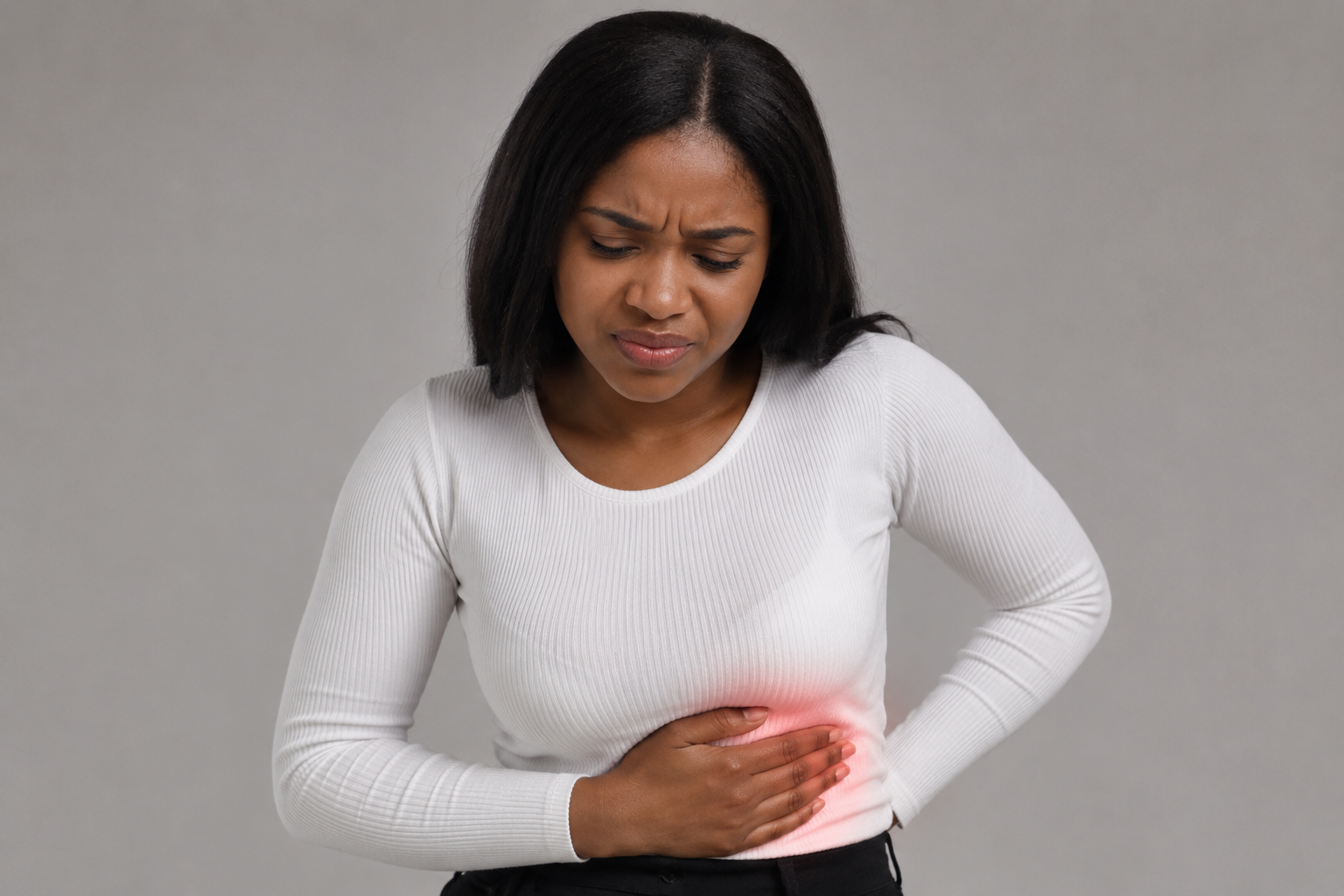
We talk a lot about taking care of our heart, kidneys, blood sugar and weight, but how often do you actually think about your liver?
Probably not very often.
The liver is one of the hardest-working organs in the body. It helps your body process nutrients, produces bile to help with digestion and breaks down substances in your bloodstream.
The interesting part is that you may not notice anything is wrong with your liver in the early stages of a problem. That is why the things you do regularly matter.
And no, I’m not talking about some expensive “liver detox” drink you saw online.
Sometimes, protecting your liver simply comes down to your everyday habits.
Here are 7 common habits that may be affecting your liver more than you realize.
1. You Drink Sugary Drinks Almost Every Day
Let’s be honest. Who doesn’t enjoy a cold soft drink or a sweetened juice from time to time?
There is nothing wrong with enjoying a sweet drink occasionally. The concern is when it becomes something you drink almost every day.
Soft drinks, sweetened juices, energy drinks and other sugary beverages can contain a lot of added sugar. Regularly consuming too much added sugar can contribute to weight gain and fat accumulation in the liver.
So, if you are someone who reaches for a sugary drink several times a day, it may be worth cutting back.
Water doesn’t sound as exciting, I know, but making it your main everyday drink is one simple change you can make.
2. Most of Your Meals Come From Highly Processed Foods
Busy schedule? I understand.
Sometimes grabbing fast food or opening a packaged snack is simply easier than preparing a proper meal.
The problem is when this becomes your normal way of eating.
Eating lots of highly processed foods can make it easier to consume excess calories, added sugars and unhealthy fats. Over time, this can contribute to weight gain and metabolic problems that are associated with fatty liver disease.
You don’t have to completely abandon your favourite foods.
Just try to make real, nutritious foods a bigger part of your meals. Add more vegetables, fruits, beans, whole grains, fish, eggs and other foods that provide your body with useful nutrients.
3. You Drink Too Much Alcohol
Your liver has the job of processing alcohol, but that doesn’t mean it can handle unlimited amounts of it.
Regular heavy drinking can seriously affect the liver and increase the risk of conditions such as fatty liver disease, alcoholic hepatitis and cirrhosis.
If you drink alcohol, moderation matters.
And if you already have a liver problem or your healthcare professional has advised you to avoid alcohol, take that advice seriously.
4. You Hardly Exercise
Do you spend most of your day sitting?
You sit at work, sit in traffic, sit at home and then spend hours scrolling through your phone.
If that sounds like your normal routine, your body may be getting much less movement than it needs.
Regular physical activity is important for your overall health and can help with maintaining a healthy weight and improving metabolic health.
And before you say, “I don’t have money for a gym,” you don’t need one.
Take a walk. Dance in your room. Jog. Cycle. Do a home workout. Even simple activities that get you moving can make a difference when you do them consistently.
5. You Regularly Eat More Than You Need
Sometimes the problem isn’t necessarily what we’re eating. It’s how much we’re eating.
You may have eaten a full meal but still continue because the food tastes so good. Or perhaps you snack throughout the day without really noticing how much you’ve consumed.
When you consistently take in more calories than your body needs, the excess can contribute to weight gain and fat accumulation in the body, including the liver.
This doesn’t mean you should start starving yourself or skipping meals.
Instead, pay attention to your portions and try to eat slowly. Give your body time to recognize when you’ve had enough.
6. You Don’t Get Enough Sleep
“I’ll sleep later.”
How many times have you said that?
Between work, social media, movies, family responsibilities and everything else going on, sleep is often the first thing people sacrifice.
But your body needs proper rest.
Poor sleep can affect appetite, body weight and metabolic health, which can indirectly affect your risk of developing problems such as fatty liver disease.
So, if you’re constantly sleeping for only a few hours and waking up tired, it may be time to take your sleep more seriously.
Your body isn’t asking for too much. It needs rest.
7. You Take Medicines or Herbal Products Without Being Careful
This one deserves attention because many people assume that anything labelled “natural” is automatically safe.
That’s not necessarily true.
Certain medicines and supplements can affect the liver, particularly when they are taken incorrectly, in excessive amounts or combined with other products.
Be careful with herbal mixtures, supplements and medications you take without professional guidance.
Always follow the recommended dosage for medicines, and if you’re unsure about a supplement or herbal product, speak with a healthcare professional before using it.
What Signs Should You Pay Attention To?
One reason liver problems can be tricky is that they may not cause obvious symptoms at first.
However, some symptoms that can occur with liver problems include unusual tiredness, loss of appetite, nausea, abdominal discomfort, swelling, dark urine, pale stool, persistent itching or yellowing of the eyes and skin.
Of course, these symptoms can have many different causes. So don’t immediately assume that you have liver disease because you experience one of them.
If you notice something unusual that doesn’t go away, getting checked by a healthcare professional is a much better idea than trying to diagnose yourself online.
You Don’t Need a Fancy Liver Detox
Let’s talk about this for a moment.
There are countless “liver detox” products and drinks being advertised online. Some make it sound as if your liver needs a special drink to clean itself.
But your liver already has natural processes for handling substances and waste in your body.
Instead of spending money chasing a miracle detox, focus on the basics.
Eat a balanced diet. Drink enough water. Stay active. Maintain a healthy weight. Limit excessive alcohol. Be careful with medications and supplements.
Those everyday choices are far more important.
Your liver is working quietly every day, even when you’re not thinking about it.
You don’t have to become obsessed with your health or completely change your lifestyle overnight. Start small.
Reduce the sugary drinks.
Move your body more.
Get enough sleep.
Eat more nutritious foods.
Be careful with alcohol, medications and unverified supplements.
Your liver doesn’t need a miracle. It needs you to take better care of your body consistently.
This article is for general health education and is not a substitute for professional medical advice. If you have symptoms or concerns about your liver health, speak with a qualified healthcare professional.