
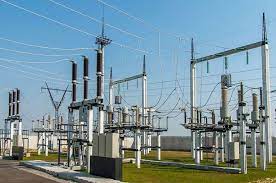
Nigerians to pay more for electricity as new tariff kicks off July 1

Nigerians may need to brace up for tougher times as electricity tariff is set to increase by over 40 per cent in the coming days, a development which may eventually end all forms of energy subsidy in the country.

Guardian reports that with a monthly subsidy of about N50 billion still in the electricity sector owing to revenue shortfall, the tariff hike due from July 1, may be another acid test for the President Bola Ahmed Tinubu administration’s market reform.

The administration has already removed subsidies on Premium Motor Spirit (PMS) and floated the naira, decisions that have complicated the price-setting of the Nigerian Electricity Regulatory Commission (NERC) 2022 Multi-Year Tariff Order (MYTO).

Although the power sector players have been unable to meet the threshold of supplying at least 5,000 megawatts a year after signing contracts with NERC, NERC’s current Service Based Tariff (SBT) was benchmarked on an exchange rate of N441/$ and inflation of 16.97 per cent.

Going by the NERC’s orders, in 2015, the average tariff across distribution companies (DisCos) and classes of end-users was N25 kilowatt, in order of 198/2020, which came into effect on September 1, 2020. The average tariff went to N60 per kilowatt; in the MYTO for 2022, the average tariff was N64 across classes of customers.

The foreign exchange rate used in determining the 2015 tariff was N198.97/$, N383.80/$ was used in 2020, while N441.78/$ was used in 2022. The inflation used in the 2015 MYTO was 8.3 per cent, 12 per cent was used in 2020 and 16.97 per cent in 2022.

Currently, the inflation rate is 22.41 per cent and some experts have projected that it would hit 30 per cent by the end of June given the floating of the naira and subsidy removal on PMS.

Coming as the metering gap remained at over seven million, gas prices, losses and actual generation capacity are other elements in determining the tariff.

While NERC’s projected tariff for July 2023 was expected to remove subsidy and increase the previously frozen tariff band D and E, increasing the bands from N54.59/kilowatt to N62.16 for band D and N48.37/kilowatt to N61.16 on average with an average increase across the bands moving to N67/kilowatt, the prevailing floating of the naira and spike in inflation is projected to move the new average tariff to about N88/kilowatt for the sector to recover the cost.

Most electricity stakeholders say that while the increase is unavoidable due to the changes in the parameters, households and small businesses, which should power the economy, may head for serious problems with energy costs alone rising to over 70 per cent as purchasing power remains a challenge in the face of unemployment and poverty.

Available electricity on the grid stood at 3,057.7MW from 17 power plants. The average load intake of all the DisCos in the last four months averaged 3,000MW, a development that follows the persistent push to make the DisCos meet up with 100 per cent of their remittance orders.

With the question of affordability emerging as a major consideration as the grid remains unreliable, forcing it to make losses, stakeholders have expressed fear that Nigerian Electricity Supply Market may face tougher times managing outlook due to apathy that may come from consumers who are losing hope in the system and resorting to alternative energy.

Energy expert, Prof Wunmi Iledare, said the restructuring of the forex market creates worries as it appears as a devaluation of the naira, adding that he’s not comfortable blaming subsidy removal and paying the right tariff for decoupling Nigeria’s economy from forex instability.

According to him, people must support the government in its effort to stop the dollarisation of its economy even if electricity tariff and petroleum products prices rise to a not-too-comfortable market-clearing price.

Iledare, however, questioned the current energy pricing in the country, adding that the PMS pricing which stayed after the NNPC announcement is anticompetitive based on the dominant firm market structure.

“Price hike cannot just depend on forex in the electricity market. Market fundamentals are key to rate determination in a decreasing cost industry producing essential commodities, like power,” Iledare noted.

Energy lawyer, Madaki Ameh, said the never-ending upward reviews of power tariffs have become some sort of blackmail on electricity consumers and should be addressed through the Consumer Protection Council or an organized body of electricity consumers.

“Indexing the cost of electricity on the dollar is a huge mistake because most of the inputs for electricity supply are local. The DisCos are also holding Nigerians to ransom by failing to increase the supply base, thereby spreading the tariffs across a broader spectrum of consumers to reduce the unit cost of electricity,” Ameh said

He insisted that as long as there remain many unmetered consumers and many others not connected to the grid at all, the few consumers on the grid would continue to be subjected to unjust tariffs, which are not reflective of the quality of service delivered.

Ameh hoped that the signing into law of the new Electricity Act would mark “the beginning of light at the end of the long tunnel of inefficient and epileptic power supply in Nigeria.”

President of Nigeria Consumer Protection Network, Kunle Olubiyo stated that while the last major review of electricity tariff was benchmarked at $1/N400, the floating of Naira and harmonisation of the exchange rate put the exchange rate at about N750/$.

“It will affect the tariff template and result in an upward review of electricity tariff. As important as this may be, two things are quite imperative to help in achieving a win-win for the demand and supply side of the coin. Moving forward, governments through relevant regulatory institutions should liberalize end users’ customers ‘ access to effective metering and mass metering to help in drastically closing the ever-increasing huge metering gaps,” Olubiyo said

He asked the government to look into gas pricing and align it with domestic gas obligations.

“Gas to power generation plants/ thermal plants should be allowed to access gas which should be traded in local currency,” Olubiyo said.

Electricity Market Analyst, Lanre Elatuyi said the new tariff rate would have an impact on the tariff, stressing that the “naira devaluation is a big challenge to companies with dollar loans to pay,” a development, which he said, would affect the power generators who have dollar loans repayment obligations.

“They will need more naira today to buy a dollar. They need to manage their exposure to foreign exchange risk. Even operators of hydro plants pay their concession fees in dollars. So, wholesale electricity price will be adjusted upward and this will get to the end users’ tariffs too,” Elatuyi said.


Julian Daily Gist Editorial Team

Julian Daily Gist Editorial Team is the team responsible for researching, writing, editing, and publishing news and feature content on Julian Daily Gist. Our coverage includes Nigerian current affairs, lifestyle, entertainment, sports, health, business, and human-interest stories. We aim to provide readers with timely, accurate, and responsibly sourced information. The Julian Daily Gist Editorial Team researches, writes, edits, and publishes news and feature content covering Nigerian current affairs, entertainment, sports, health, business, lifestyle, and human-interest stories. We aim to provide accurate, timely, and responsibly sourced information and update our reports when credible new information becomes available. The Julian Daily Gist Editorial Team is responsible for researching, writing, editing, and publishing content across Julian Daily Gist. Our coverage includes Nigerian current affairs, politics, business, entertainment, sports, health, lifestyle, and human-interest stories. We aim to provide readers with timely, accurate, useful, and responsibly sourced information. Our team makes reasonable efforts to verify important information, identify sources, distinguish allegations from confirmed facts, and update reports when credible new information becomes available. We also believe in transparency and accountability. Readers can contact our editorial team to report factual errors, request corrections, or provide additional information relevant to a published story. Editorial focus: News, current affairs, lifestyle, entertainment, sports, health, business, and human-interest stories. Team BIo: The Julian Daily Gist Editorial Team is responsible for researching, writing, editing, and publishing content across Julian Daily Gist. Our coverage includes Nigerian current affairs, politics, business, entertainment, sports, health, lifestyle, and human-interest stories. We aim to provide readers with timely, accurate, useful, and responsibly sourced information. Our team makes reasonable efforts to verify important information, identify sources, distinguish allegations from confirmed facts, and update reports when credible new information becomes available. We also believe in transparency and accountability. Readers can contact our editorial team to report factual errors, request corrections, or provide additional information relevant to a published story. Editorial focus: News, current affairs, lifestyle, entertainment, sports, health, business, and human-interest stories. Editorial Policy: At Julian Daily Gist, our goal is to provide readers with timely, useful, accurate, and responsibly presented news and information. We cover Nigerian current affairs, politics, business, entertainment, sports, health, lifestyle, human-interest stories, and other topics of interest to our readers. 1. Accuracy and Verification We make reasonable efforts to ensure that information published on Julian Daily Gist is accurate and presented in its proper context. Before publishing a report, our editorial team makes reasonable efforts to: - Check information against credible sources. - Verify names, dates, locations, figures, and other important details. - Attribute information to the appropriate source. - Distinguish confirmed facts from allegations, claims, opinions, and speculation. - Update stories when credible new information becomes available. When information cannot be independently verified, we make this clear to readers rather than presenting it as established fact. 2. Sources We use a range of sources, including: - Official government statements. - Police and security agencies. - Courts and legal documents. - Government agencies. - Direct interviews and statements. - Reputable news organizations. - Publicly available records. - Verified social media accounts and statements. When an article relies substantially on information reported by another publication, we aim to clearly attribute the information to that source. We do not intentionally present another publication's reporting as our own. 3. Originality Julian Daily Gist aims to provide original editorial value. When we report information that has already been published elsewhere, we seek to add value through original writing, context, verification, analysis, additional information, or other useful material. We do not intentionally copy and republish articles from other websites without appropriate attribution and meaningful editorial contribution. 4. Allegations and Sensitive Claims When reporting allegations involving individuals or organizations, we make reasonable efforts to clearly identify allegations as allegations. We avoid presenting unproven accusations as established facts. Where relevant, we seek or include responses from the person, organization, or representative concerned. For criminal matters, we recognize that an allegation, arrest, charge, or accusation does not by itself establish guilt. 5. Headlines Our headlines are intended to accurately reflect the content of our articles. We aim to avoid deliberately misleading headlines, fabricated claims, or headlines that exaggerate facts simply to generate clicks. 6. Corrections and Updates We take corrections seriously. If we discover that an article contains a significant factual error, we may correct or update the article as appropriate. Readers who identify an error are encouraged to contact us with specific information supporting the correction. Where appropriate, significant corrections or updates may be noted within the article. 7. Editorial Independence Editorial decisions are made independently of advertisers, sponsors, commercial partners, and other external interests. Advertising or sponsorship does not automatically influence our editorial decisions or the opinions expressed by our writers. 8. Sponsored and Promotional Content Where Julian Daily Gist publishes sponsored, paid, or promotional content, we aim to clearly identify it as such. Sponsored content does not necessarily represent the independent editorial views of Julian Daily Gist. 9. Conflicts of Interest Our editorial team should avoid situations where personal, financial, or other interests could improperly influence reporting. Where a relevant conflict of interest exists, we aim to disclose it when appropriate. 10. Use of Images and Other Media We aim to use images, videos, graphics, and other media responsibly and with appropriate permission, licensing, attribution, or other lawful basis where required. We do not knowingly use copyrighted material in a manner that infringes the rights of its owner. If you believe that material published on Julian Daily Gist infringes your copyright, please contact us so that we can review the matter. 11. Artificial Intelligence We may use technology and artificial intelligence tools to assist with certain editorial tasks, such as research support, proofreading, formatting, transcription, or drafting assistance. However, AI-generated information is not treated as automatically accurate. Content remains subject to human review, editing, fact-checking, and editorial judgment before publication where appropriate. We do not intentionally publish fabricated information generated by AI. 12. Privacy and Personal Information We take reasonable care when handling personal information and avoid publishing unnecessary private information about individuals. Sensitive personal information is published only when there is a legitimate public-interest reason and where appropriate. Our handling of visitor information is explained in our Privacy Policy. 13. Opinion and Commentary Opinion articles and commentary represent the views expressed by the respective writer or contributor. Where appropriate, opinion content will be identified as commentary, analysis, or opinion so that readers can distinguish it from straightforward news reporting. 14. User-Generated Content Comments and other material submitted by readers may be moderated. We reserve the right to remove content that is unlawful, defamatory, abusive, discriminatory, misleading, threatening, spam-related, or otherwise inappropriate. User comments do not necessarily represent the views of Julian Daily Gist. 15. Our Commitment We are committed to improving the quality, accuracy, transparency, and usefulness of Julian Daily Gist. As our publication grows, we will continue reviewing our editorial practices and updating this policy when necessary. 16. Contact and Corrections If you have a correction, clarification, complaint, copyright concern, or question about our editorial practices, please contact us through our Contact Us page.

You May Also Like