
 0
0
 0
0
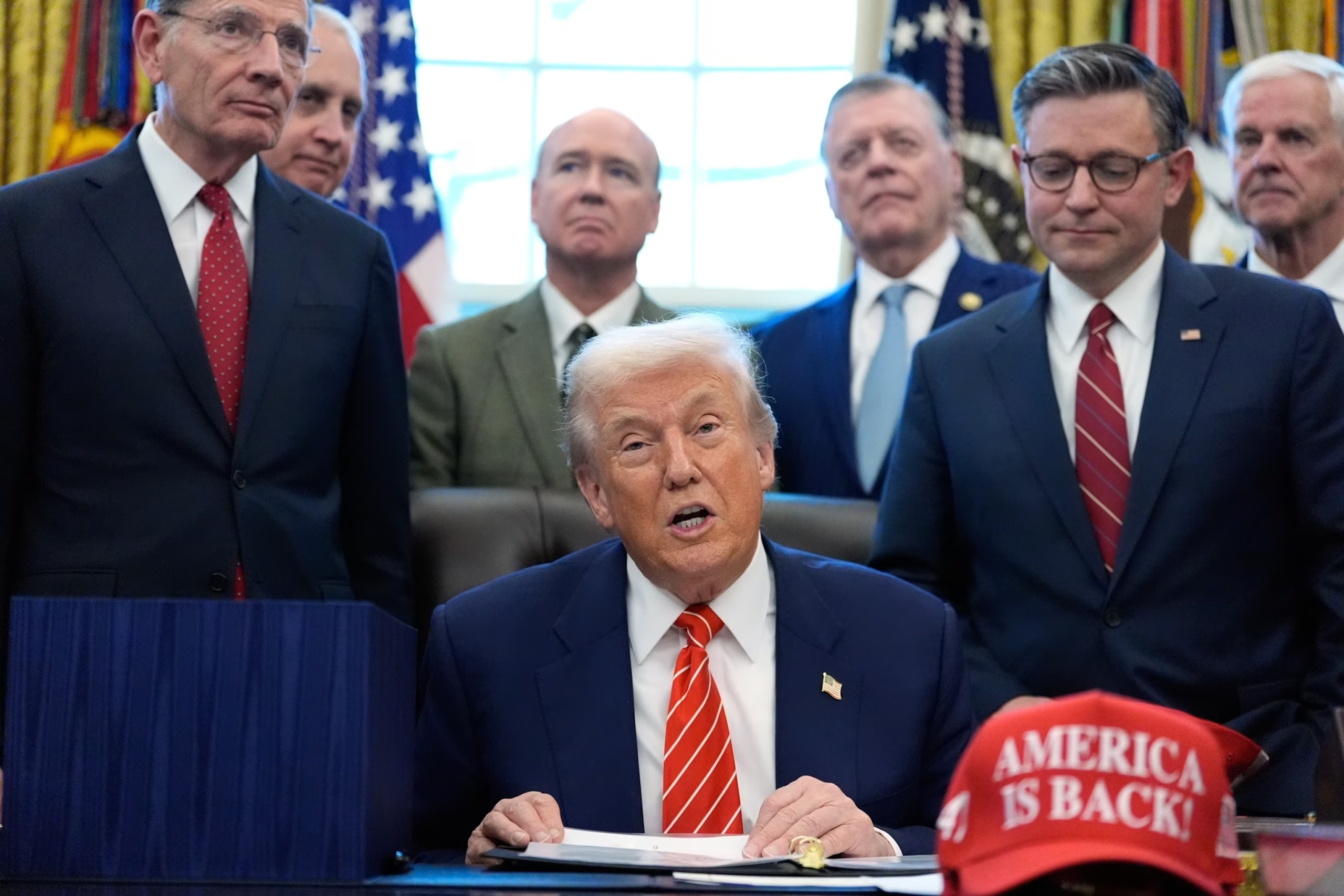
In the lead-up to the 2026 U.S. midterm elections, President Donald Trump has escalated his criticism of the American electoral system, urging Republicans to go further in asserting control over how elections are run and repeating baseless claims about the 2020 presidential vote being “stolen.”
Speaking on a podcast hosted by former FBI deputy director Dan Bongino, Trump suggested that Republicans should “take over the voting” in multiple states and effectively “nationalise” the electoral process — a proposal that would move election oversight from state authorities to federal or party control. He said his party should “take over the voting in at least, many, 15 places,” though he did not specify where.
Under the U.S. Constitution, states — not the federal government — are responsible for administering elections, a structure legal experts say is a core pillar of American democracy. Critics warn that Trump’s comments raise serious constitutional questions and could undermine public trust in the electoral system if pursued.
Trump’s remarks come amid broader concerns about Republican prospects in the November midterms, with polling showing potential losses for the party holding both chambers of Congress. They also follow a controversial FBI search of an election office in Georgia, an action tied to lingering, unproven allegations of fraud in the 2020 election.
In follow-up comments to reporters, Trump defended his stance by claiming there were areas of the country with “extremely corrupt” election practices, and reiterated that if states could not conduct elections “properly and timely,” then “something else has to happen.”
The proposal drew immediate pushback from Democrats and even some Republicans, with opponents saying federalising election control would violate long-established constitutional norms and threaten the independence of state election administration.