
 0
0
 0
0
Nigerians are benefiting. But as local producers, we are losing big—billions.”
He singles out the import duty waivers granted to select importers, which have flooded markets across the country with imported rice, driving prices down. Local producers, who face high production costs, cannot compete with the cheaper imports, and the returns on their massive investments are shrinking. The disappointment in Dama’s voice is clear.
“Go to the market, and you will see rice everywhere. We have always said that importation should be stopped,” he says, raising his voice. “For rice, these import waivers continue to flood our markets and crash prices—it should be stopped.”
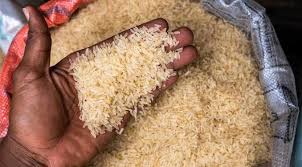
Sunday Vanguard visited Dama at his rice mill to get his perspective on the price crash ahead of Christmas. Rice, which usually sells like hotcakes during the festive season, is now significantly cheaper than last year. A 50-kilogram bag, depending on the brand, sells for between N55,000 and N70,000, down from N105,000 around the same period in 2024—a drop of at least 30 percent.
Is this drop due to increased local production? Dama, National President of the Rice Millers Association of Nigeria (RIMAN), shakes his head. He attributes the crash mainly to the duty-free waivers granted to some importers under the Presidential Accelerated Stabilisation and Advancement Plan, introduced by President Bola Tinubu in 2024. The plan allowed the importation of rice worth about N2 trillion within a 150-day duty-free window to combat food inflation.
As the imported rice hit the markets, prices began to fall. Meanwhile, local producers—farmers and millers who have invested billions and face high production costs—cannot compete. The situation is worsened by harvest season, leaving millers with a surplus of rice paddy they cannot process due to market saturation.
Dama, who has had to shut down his own rice mill amid these challenges, explains that producing local rice is costly, making it more expensive than imported brands, and leaving local stakeholders struggling in a market flooded with cheaper alternatives.